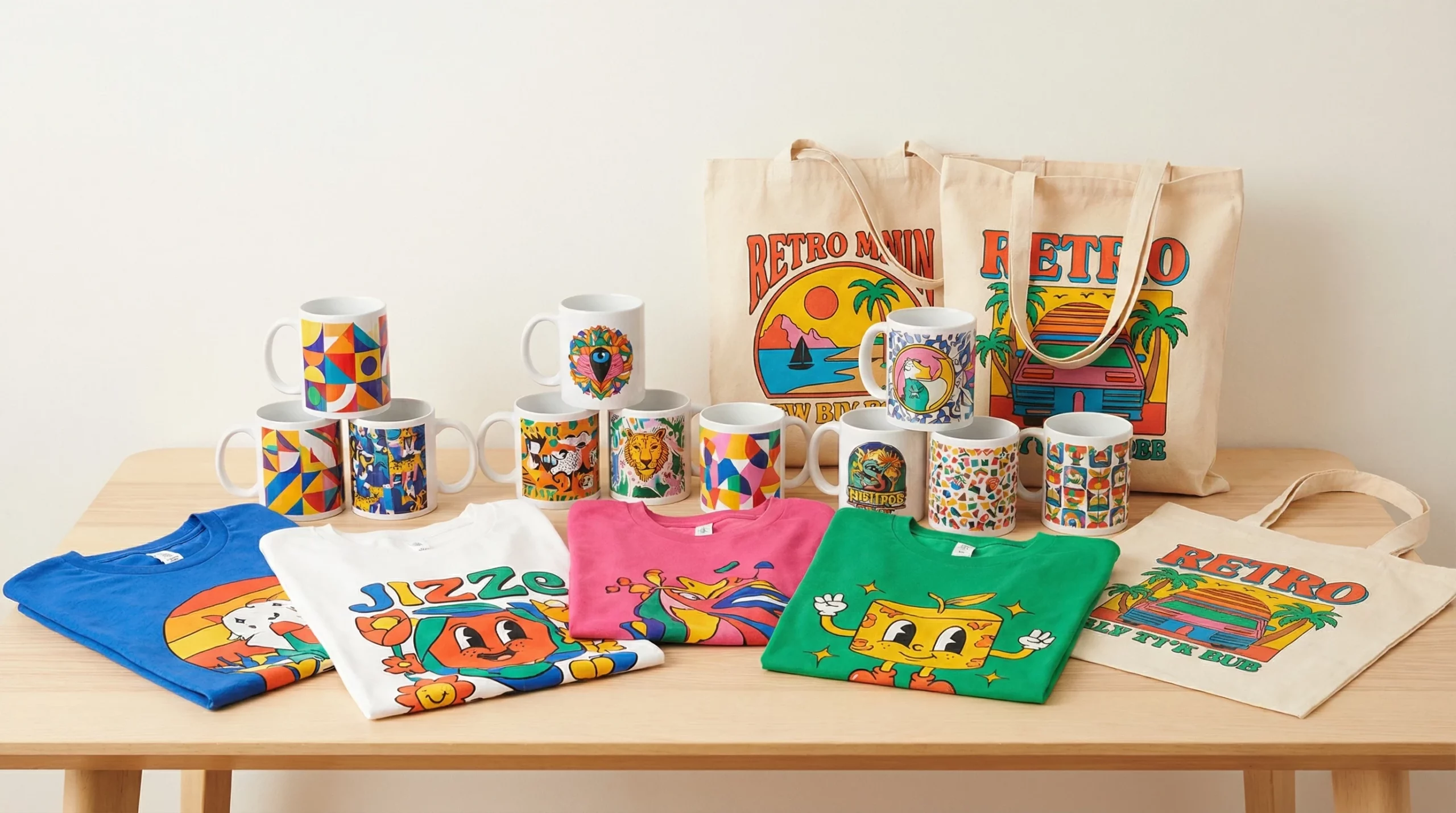

How To Start A Low Cost Print On Demand Business? If you’ve ever wanted to start your own print on demand business but worried about paying upfront for designs, you’re definitely not alone. I thought about setting up but stalled the minute I saw the cost of professional artwork. Thankfully, there are some clever workarounds that don’t require creative skills or a big bank account. Here’s a rundown based on what’s worked for others and what they wish they had known at the beginning.

Understanding the Print On Demand Business Model
A print on demand business is a pretty flexible way to start selling custom products online without worrying about inventory or shipping. Instead, you create (or find) product designs, add them to things like t-shirts, mugs, or tote bags, and then list them for sale on your site or a marketplace. When someone places an order, the print on demand company makes the product and ships it direct. You keep the profit after costs.
This setup is especially popular because you don’t need to buy anything up front. But the catch for a lot of people is design costs, which can get expensive fast if you hire freelancers or buy premade work. That’s why finding design solutions that won’t eat into your wallet is worth looking into right away.
How to Get Designs Without Paying Upfront
No design skills? Don’t stress. There are some options out there that let you fill your store with eye catching products, without hiring an artist or buying expensive graphics packs. Here’s what you might find helpful:
- Free Design Tools: Websites like Canva and Photopea offer easy to use templates and simple drag and drop editors, even for folks with zero graphic design experience.
- Public Domain Artwork: Search for vintage art, NASA images, or classic paintings in the public domain. These are totally free to use and often come ready for digital projects.
- Open License Platforms: Websites like Pixabay, Unsplash, and Openclipart offer graphics you can use without paying a dime (just double check licenses for any restrictions).
- Customizable Templates: Many print on demand sites include their own template editors, so you can tweak fonts, colours, and graphics for free.
- AI Art Generators: Some AI tools let you generate original artwork by describing what you want. Many are free or have free tiers for light use.
You could start out combining Canva templates with simple public domain graphics, sometimes adding fun text or inside jokes that friends want on shirts. Before long, your store will look totally professional, even without spending on design work.
Step by Step: Launching a Store With No Design Budget
Getting your print on demand business off the ground doesn’t actually take much technical knowhow. Here are some steps to follow to get going quickly:
- Pick a Print On Demand Platform: Good places to look include Printful, Printify, Redbubble, and Teespring. Some integrate easily with Shopify or Etsy if you want your own storefront.
- Create (or Find) Free Designs: Use the tools and resources above to build a small collection of graphics you like. Think about simple quotes, shapes, or minimalist art if you want a modern feel.
- Upload and Customize Products: Once you’ve got your designs, add them to your products using the platform’s editor. Tweak spacing, colours, and sizing so everything looks just right.
- Set Your Pricing: Make sure to factor in the cost of production, platform fees, and any marketing expenses when pricing your items.
- Publish Your Listings: Add product descriptions, titles, and keywords that reflect popular searches. Aim for clear, friendly language that highlights what makes your products fun or unique.
- Promote Your Store: Share your shop on social media, with friends, and on forums or communities where your products fit in. Don’t forget to ask happy customers to share photos or reviews, too.
Smart Ways to Stand Out Without Big Design Budgets
Even with free tools and templates, the key is making your store look different enough to attract real customers. A couple of strategies that are really useful:
- Niche Down: Pick a narrow audience or theme, like dog lovers, travellers, or hobbyists, so your shop feels focused. Selling cat memes to sailors might not make sense, but “quirky sailor quotes” on mugs or hats could catch attention.
- Use Custom Text: Let customers add their own phrases, names, or inside jokes for a personal touch. That way, you offer something they can’t find anywhere else and it’s all doable even with basic design templates.
- Keep It Simple: Many popular print on demand items are just bold text, clean shapes, or minimalist graphics. No need for wild illustrations if you get the message right.
Another approach is following seasonal trends or celebrating special events. Limited edition collections for holidays or anniversaries can create a sense of urgency and drive more interest, even if your designs stay simple. Consider partnering with micro influencers in your chosen niche, who are looking for interesting products to showcase to their followers. Sometimes, giving out a few free samples can start a word of mouth buzz that paid ads can’t match, especially for small, up and coming print on demand brands.
Things To Watch Out For
There are a few bumps you might run into while building a print on demand business on a tight budget:
- Copyright Traps: Always make sure any images, text, or fonts you use are cleared for commercial use. Even some free resources can have hidden rules, so checking licenses keeps you out of trouble down the road.
- Low Quality Images: Blurry or pixelated graphics make products look cheap. Go for high resolution images and keep text readable, especially on small items like mugs or stickers.
- Mock up Accuracy: Preview every product mock up before setting it live. Sometimes text or graphics look weird once wrapped onto a real mug or shirt. Tweaking layouts takes time, but customers notice the difference.
Also, be aware that profit margins on generic designs are often slim. If you create a unique brand voice or playful angle, you’ll have an easier time selling at better prices. Don’t rush product launches. Quality always wins over quantity, especially at the start.
How Wealthy Affiliate Makes a Real Difference
When you first try setting everything up, you might run into questions that Google doesn’t answer. Things like how to market your store, connect your listings to an actual website, and get found in search results kept popping up. This is where Wealthy Affiliate really can help you out. They offer step by step training, a super helpful community, and hosting that lets you build a great website without needing any coding skills.
The thing I like most is being able to learn at my own pace. Anytime I get stuck, whether it’s with picking products, figuring out SEO, or linking up a shop, I’d post a question and always got solid advice from people who’d already done it. Also, since they show you how to use free or budget friendly tools, I never felt pressured to spend money I didn’t have.
If you’re set on starting a print on demand business but want to avoid upfront design costs, Wealthy Affiliate gives you all the training, tools, and support to start for free and grow at your own pace. Check them out if you want things broken down step by step with lots of real examples.
Common Questions About Print On Demand With Zero Design Budget
I get these questions from friends and readers all the time, so figured I’d share real answers based on my own experience.
Can I really make sales using free designs?
Definitely. Plenty of top sellers use clever phrases, simple graphics, or public domain artwork. Creativity and smart marketing can be way more important than fancy artwork.
What’s the best platform for total beginners?
Printify, Redbubble, and Teespring are pretty easy to use and don’t need a lot of setup. If you want your own website, going with Shopify or WooCommerce (together with hosting and guidance from Wealthy Affiliate) gives you much more control over branding and profits.
Do I need to spend money on ads to get sales?
Not right away. Early on, sharing your shop in relevant Facebook groups, Reddit threads, or with friends can get your first sales. Wealthy Affiliate’s training covers free traffic strategies, including how to get your site seen in Google search, which continues to work pretty well for me in my online businesses
What’s the hardest part about starting?
Staying consistent when you aren’t making sales yet. Trying new designs, testing product types, and learning from what sells helps a lot. A great support group (like the one on Wealthy Affiliate) makes sticking with it way easier, too.

Get Started, Even On a Tight Budget
A print on demand business can be a super accessible way to explore ecommerce, especially if design costs are holding you back. By tapping into free or public domain art, using beginner friendly tools, and plugging into training platforms like Wealthy Affiliate, you can keep overhead next to nothing while learning as you go. Your shouldn’t just be a side hustle; it’s a creative outlet that will slowly turn into something bigger, and starting with a shoestring budget shouldn’t get in your way. You can definitely do it, if you want to! So, get started TODAY!
Many thanks for reading this article on How To Start A low Cost Print On Demand Business. I really hope that it helps you make your mind up when choosing an online business for yourself. Why not take a look at one of my other articles. It’s titled How To Launch A Digital Course For Senior Citizens.
If you are interested in starting an online business and want to see all that Wealthy Affiliate can offer you, either click the banner above or read my Wealthy Affiliate Review.
All the best!
Eamon