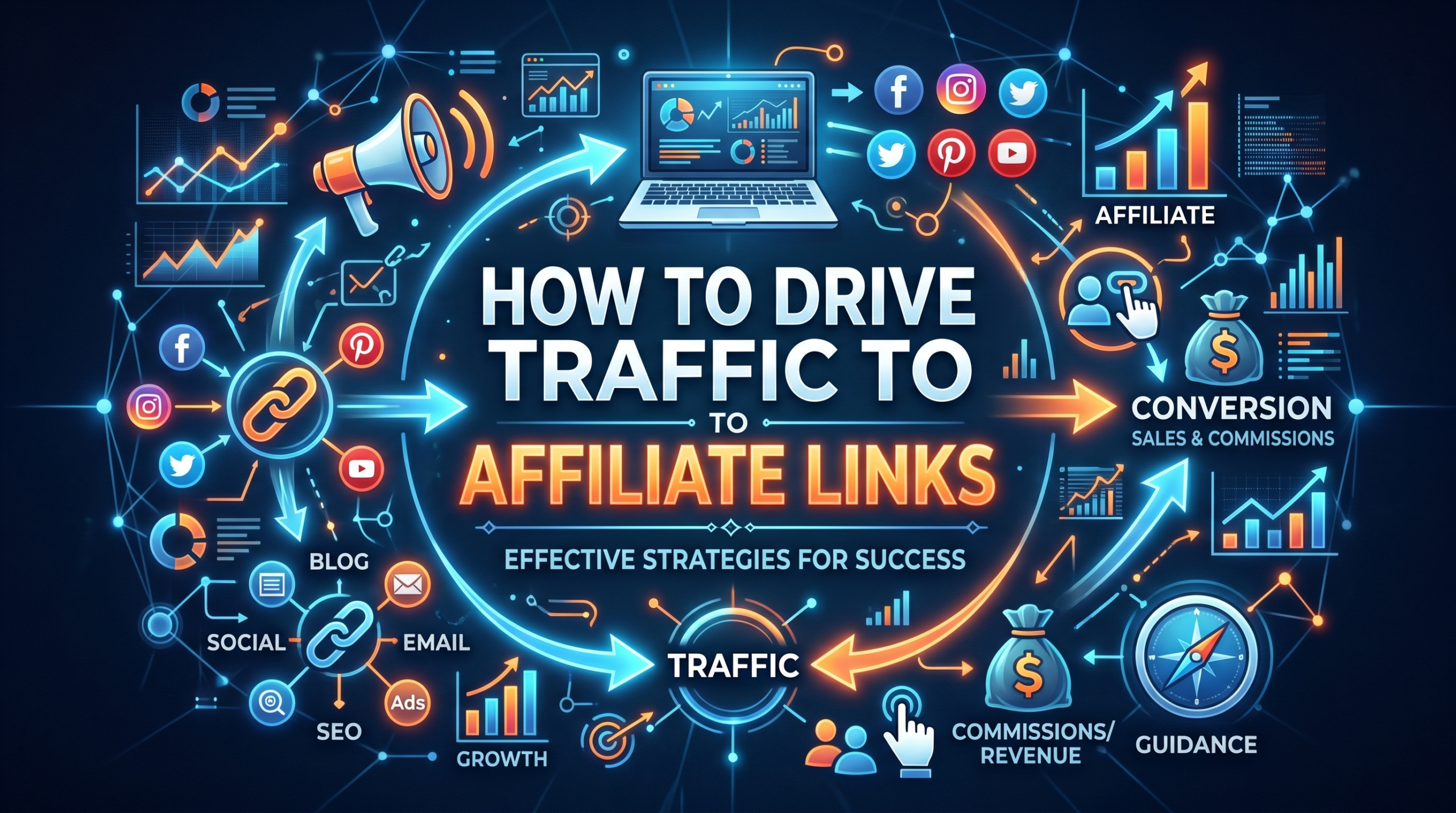

If you’ve ever wondered how some people manage to drive serious traffic to their affiliate links, you’re definitely not alone. Getting eyes on your links is one of the biggest challenges in affiliate marketing. There are tons of strategies out there, but it’s so easy to get lost in the constant noise. I’m going to walk you through the tactics I’ve used, the things that actually get real people clicking, and the tips that can help give a boost to your affiliate income sustainably.
Understanding Affiliate Links and Why Traffic Matters
Affiliate links are special URLs that track sales or actions for specific offers. You make a commission when people buy or sign up through your unique link. The key thing to remember is, your earnings directly depend on how many targeted (and interested) people you send to these links.
Lots of beginner affiliates think it’s all about dumping links everywhere, but focused traffic is what actually gets results. Getting even a small amount of highly relevant visitors can pay off more than thousands of random clicks. This related article gives some great ideas: How To Succeed With Affiliate Marketing.
The affiliate marketing industry has grown massively in the past decade. Increasingly more brands are launching affiliate programs, and content creators are jumping in. This huge growth means competition, but also more opportunity, especially if you know how to get steady traffic to your links. The number of affiliate programs keeps rising, giving even niche marketers a chance to find their perfect partnership and make their content more meaningful for their audience.
| Traffic Source | How It Works | Difficulty | Traffic Potential |
|---|---|---|---|
| SEO | Rank blog posts in search engines | High | Very High |
| Drive clicks using visual pins | Medium | High | |
| YouTube | Create videos with affiliate CTAs | Medium | Very High |
| Email Marketing | Promote links to subscribers | Low | High |
Getting Started: Laying a Solid Foundation
Before sending out your affiliate links, spend some time building a solid foundation. This is super important if you want your traffic efforts to pay off in the long run. Here are a few things that help:
- Choose the right niche: Focus on a topic you know or enjoy. This helps you build trust and keeps you motivated.
- Pick offers you actually like: Don’t just promote anything for a quick buck. If you believe in what you share, it’ll come across naturally and you’ll get more clicks.
- Set up a website or main platform: Having a home base (blog, niche site, or even a popular social account) helps collect and direct traffic, and lets you build an audience who trusts your recommendations.
On top of these points, branding your online presence, even with just consistent visuals or a memorable tagline, can help people remember you and trust your voice. It’s also smart to gather some basic analytics tools from the beginning, as it helps you spot which traffic sources work best.
Top Free and Paid Ways To Drive Traffic
You don’t need a huge budget to get traffic to your affiliate links. Free methods work great if you’re willing to put in time and effort. Paid traffic is an option too, and can speed things up once you know your offers convert.
- Organic Search Traffic: Writing helpful blog posts, reviews, or comparisons that answer people’s real questions continues to be one of the longest lasting ways to send traffic to affiliate links. Good keyword research helps a ton here. Wealthy Affiliate’s Jaaxy tool is ideal for this.
- Social Media: Sharing content on platforms like Instagram, TikTok, Twitter, YouTube, and Facebook gets your recommendations in front of new people. Tailor your posts for each platform, using stories, reels, or videos where it makes sense.
- Email Marketing: Collecting emails lets you send new content, deals, and recommendations directly to people who are already interested. Even a small list can be powerful for affiliate marketing.
- Pinterest: This platform is great for evergreen content. Create eye catching pins that link to your blog posts or directly to affiliate offers (as long as you’re following the rules).
- Forums and Communities: Niche forums and groups (like Reddit subs or Facebook groups) can send targeted clicks if you’re truly helpful and not spammy.
- Paid Ads: If you know your numbers, paid ads on Google, Facebook, or TikTok can work well. Just be careful to follow ad platform rules regarding affiliate links, and test with small budgets first.
Whether you’re going the organic or paid route, matching your content to your target audience’s favourite hangouts is key. For example, if your niche is travel, Instagram and Pinterest might be more effective than a technical forum. Try out multiple channels, and focus on those that send you motivated visitors. Consider using tools like Canva or free editors to make your visuals more eye catching for social media and pins.
Step By Step: Building Traffic Streams for Your Affiliate Links
Getting consistent traffic is all about building and connecting a few reliable streams. Here’s a breakdown of what works for me most of the time, and how I approach each step.
- Create Value Driven Content: Instead of just sharing links, add real advice, walk throughs, or reviews. Answer questions your audience actually has. This works for both blogs and social posts. Explain what your content is actually about and how it can help the reader.
- Optimize for SEO: Use keywords, catchy titles, and clear descriptions so your content shows up on Google and other search engines. This helps people find your links on their own.
- Build an Email List: Offer something free (like an ebook, checklist, or template) to collect emails. Then share updates, tips, and links with your list.
- Repurpose Your Content: Turn a blog post into a video, infographic, social post, or email. Spreading your content around helps reach new people without creating everything from scratch.
- Get involved with Your Audience: Reply to comments, ask questions, and listen to feedback. People are more likely to click your links if they know you’re legit and actually care about their problems.
As you mix these traffic streams, it multiplies your audience reach over time. Another crucial point is collaborating with micro influencers in your niche. A simple partnership or mention can introduce your site or brand to hundreds of new people. Always maintain transparency in your recommendations, as trust directly impacts your conversion rates.
Related Article
What To Watch Out For: Common Pitfalls In Affiliate Traffic
Even with the perfect strategy, a few mistakes can tank your results. I’ve learned to watch out for these common traffic traps:
- Spamming links everywhere: This backfires more than it helps. Most people ignore spam, and platforms could ban your account.
- Poor match between traffic and offer: Make sure your audience actually cares about what you’re linking to. Quality trumps raw numbers every time.
- Neglecting mobile users: Lots of your traffic will be on a phone or tablet. Make sure your links and content are easy to use on any device.
- Ignoring affiliate program rules: Some programs have strict policies about how you present your link. Always check the terms or you could lose your commissions.
It’s also important to double check your links regularly to avoid broken or outdated URLs. Nothing’s worse than losing out on a sale because a link led to a dead page. Keeping an eye out for policy updates by both affiliate networks and marketing platforms can save you trouble in the future. Be careful if you use Amazon Associates as an affiliate program, they move the goalposts regularly and always in their favour.
Quality Over Quantity
Don’t stress about trying to get thousands of hits on day one. What matters is sending targeted, interested visitors who are way more likely to click and convert. Traffic that actually cares about your content is what pays off.
Tracking and Tweaking Your Traffic
Using UTM codes, analytics tools, or affiliate dashboards lets you see what’s working and what isn’t. I make a habit of checking where my best clicks are coming from so I can double down on those efforts and stop wasting time on channels that flop.
There’s no need to obsess over every metric, but keeping track of basic numbers, like which posts get the most clicks, or what email subject lines spark interest, guides you to smarter decisions. Over time, this helps you improve your strategy and add to your results without burning out.
Advanced Strategies To Grow Even Faster
Once you have the basics going, a few more tactics can really speed things up:
- Partner with other creators: Guest posting, podcast interviews, or joining forces on live streams can introduce you to whole new audiences.
- Use retargeting ads: Follow up with people who visit your site but don’t click your affiliate links the first time.
- Build resource pages: A “tools I use” page or resource guide can drive consistent clicks and become a go to link in your content and emails.
- Test new platforms early: New apps or networks (like emerging video or search platforms) can offer great untapped traffic. Get in before they become overcrowded.
- Create interactive content: Quizzes, short polls, or calculators can keep people on your site longer and naturally lead them to your affiliate links. This keeps your site engaging and shows you care about your visitor’s experience.
Trying new things keeps your affiliate business growing and helps you keep up as platforms mix it up with their algorithms or rules. Set aside time each month to explore the latest trends or tools. For example, learning new video styles or diving into live sessions on TikTok or Instagram can set you apart from more static content creators. How To Choose Affiliate Products To Promote.
Real World Examples: Affiliate Link Traffic In Action
Here are a couple of ways I’ve seen affiliate link traffic work out well, to add some perspective:
- A food blogger wrote honest reviews of kitchen gadgets with simple recipes and ended each post with a direct link to the product. Over time, her posts ranked on Google and sent daily clicks, even from old content.
- A fitness YouTuber shared weekly workout videos and included affiliate links for supplements and gear in the video description. His tips in the actual video convinced people to look at what he recommended.
- A travel influencer made destination guides on Pinterest, linking images to detailed blog posts about hotels and activities with affiliate links. Evergreen traffic from re-pinned guides kept the clicks coming for months.
- A home decor blogger used Instagram Stories and quick house tours to showcase products, always including a swipe up or link, these temporary posts earned ongoing commissions as followers checked back for updates.
Frequently Asked Questions
Here are some questions that get asked a lot about driving traffic to affiliate links:
Q1. How long does it take to start seeing results from affiliate traffic?
Answer: It depends on the channels you use. SEO and organic methods take time, often weeks or months. Social media and email can bring faster clicks, especially with a warm audience. Consistency and patience pays off.
Q2. Can I put affiliate links directly in social media posts?
Answer: Most platforms allow it but always check their latest policies. Sometimes it’s better to link to your site first, where you control the affiliate placement and can provide more context.
Q3. Is a website necessary to promote affiliate links?
Answer: Not strictly, but having your own platform (like a blog or email list) gives you more control and credibility. It’s way easier to build trust, which means more clicks and sales over time.
Q4. What’s the safest way to share affiliate links without breaking rules?
Answer: Always use proper disclosures (like saying “I may earn a commission from these links”) and check both affiliate program terms and the rules of the platform you’re posting on. Be careful or you could get struck off from a lucrative affiliate program due to an oversight like this.
Q5. How do I know if my affiliate traffic is good quality?
Answer: If people are clicking, staying on your pages, signing up, or buying, you’re attracting the right audience. High bounce rates or nobody clicking means it’s time to mix up your approach.
Q6. Can I use paid ads for affiliate marketing?
Answer: You can, but make sure your affiliate program allows it and that you follow ad platform guidelines. Start with small budgets and test carefully to make sure you’re not over spending for little return.
Q7. How do I keep people coming back and clicking more links?
Answer: Offer real value, stay consistent, and keep getting involved with your audience. A helpful email newsletter, regular blog updates, or fresh videos all give people reasons to trust you and return for more recommendations.
Q8. Do location and language matter in affiliate link traffic?
Answer: Absolutely. Targeting the right locations can mean your offers are relevant and visitors are more likely to convert. Think about which countries your affiliate programs allow and translate or localize content where possible for a bigger reach.
Related Article
Summary
Driving traffic to affiliate links is all about understanding your audience, providing value, and building trust. Pick a few traffic sources that fit your style, and focus on consistency over time. Be patient, track your results, and always be ready to adapt as marketing platforms mix things up.
Getting results takes a bit of work at the start, but once the momentum builds, affiliate traffic can grow into a solid source of income that keeps working in the background. Try out some ideas from this guide and keep testing until you find what fits best. Giving your affiliate traffic strategy patience and honest effort now will pay off steadily as your content picks up steam in the months ahead.
Thankyou very much for reading this blog on How To Drive Traffic To Affiliate Links. I do hope that you have taken value from it and can put some ideas into your own affiliate marketing business. If you need some help or advice, or just want to ask a question, please message me in the comments box below. I will get right back to you.
All the best!
Eamon