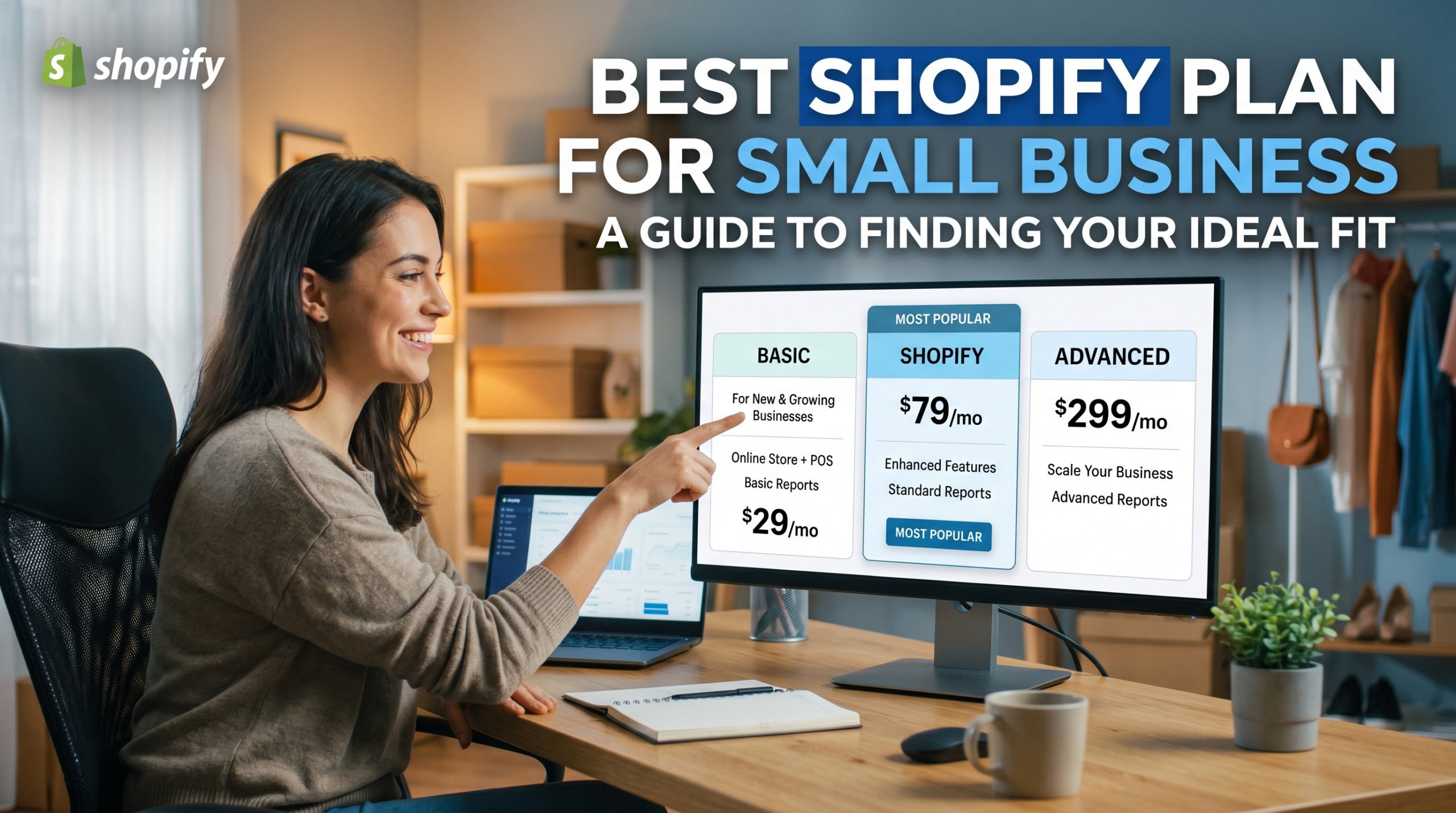

Choosing the best Shopify plan for a small business can feel like playing a game with way too many options, especially if it’s your first time setting up an online store. Finding the right balance between features, price, and scalability gives your whole ecommerce adventure a smoother start. I’ve run several small business stores over recent years and learned a lot through experimenting with different Shopify plans, so I’m pulling from those real world experiences here to help break it all down. If you are just starting out, take a look at this related article Best Shopify Plan For Beginners.
Understanding Shopify Plans for Small Businesses
Shopify offers several plan options, with each one bringing its own mix of features. Knowing which plan fits your business goals can save money, stress, and time spent switching plans later. Shopify’s core plans include Basic, Shopify (also called the Standard plan), and Advanced. For small businesses, picking the right plan comes down to your budget, growth expectations, and the tools you need.
Shopify started out by making ecommerce simple for everyone, from hobbyists to established shops. They’ve since added more ways for small businesses to grow, adding tools for shipping, marketing, and inventory. Over two million businesses use Shopify worldwide, and it’s popular for being user friendly for solo owners and small teams. Even if you’re not a tech whiz, you’ll find it easy to set up your store on Shopify. Shopify Overview: Still Worth It?
| Plan | Price | Best For | Key Features | Score |
|---|---|---|---|---|
| Starter | $5/month | Testing ideas | Sell via links & social only | 6/10 |
| Basic Shopify | $39/month | Small businesses | Full store, cart recovery, discounts | 9/10 |
| Shopify (Standard) | $105/month | Growing stores | Better reporting & lower fees | 8/10 |
| Advanced Shopify | $399/month | Scaling teams | Advanced analytics & scaling tools | 7/10 |
Main Shopify Plans at a Glance
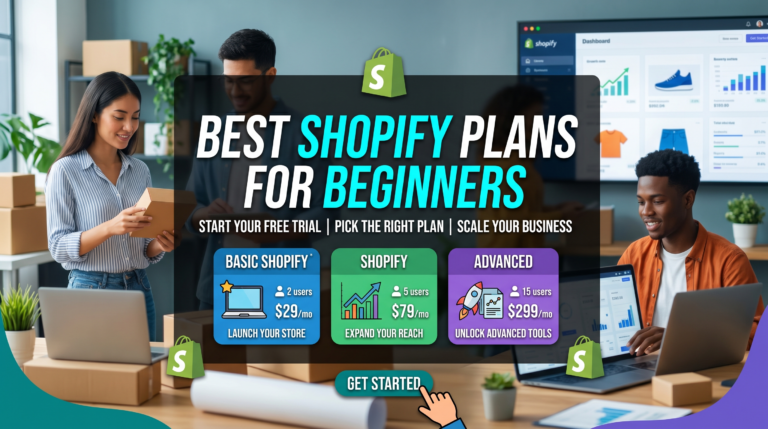
Here’s a quick look at Shopify’s main plans and how they fit small business needs:
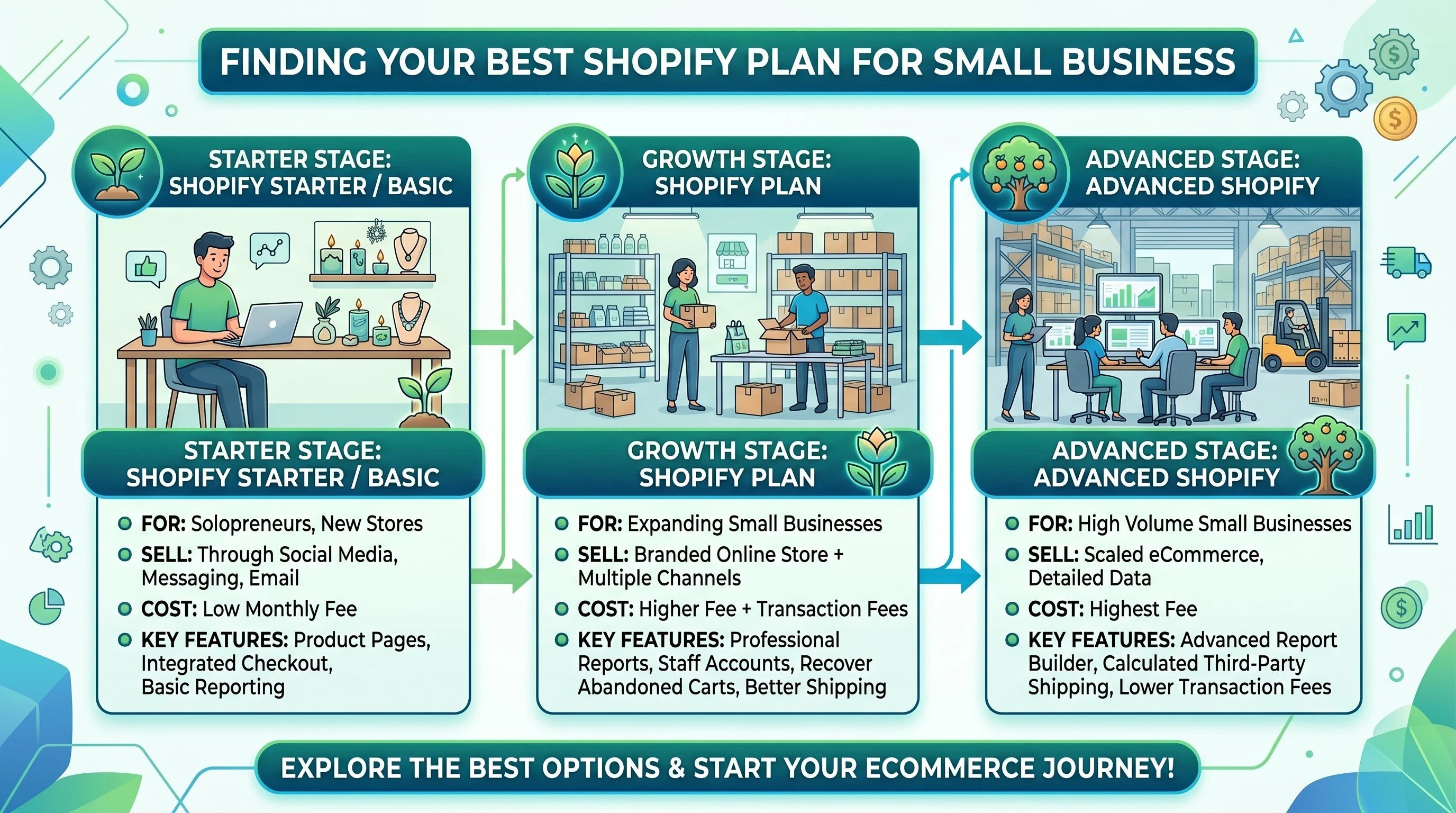
- Shopify Starter: Best for selling through social media and messaging apps. It’s very affordable but limited when it comes to customization and having your own storefront.
- Basic Shopify: Perfect for new online stores, with the key features most small shops use, including a branded storefront, discount codes, and basic tools to get started.
- Shopify (Standard): Builds on Basic by adding more detailed reporting, professional reports, and lower transaction rates.
- Advanced Shopify: Great for scaling businesses that want extra analytics, advanced shipping, and custom reporting.
Most small businesses choose between the Starter and Basic plans unless you’re expecting major growth or need more advanced functions right away.
Key Features Small Businesses Need
The best Shopify plan for you depends on what you want to sell, how you manage your inventory, and what kinds of tools you really need. Here are some features I’ve found essential for small shops:
- Online Storefront: Having your own branded site means customers can shop from you 24/7. Shopify’s Basic plan includes this, but the Starter does not.
- Unlimited Product Listings: You’ll want the freedom to grow your catalogue. Both Basic and higher plans offer this with no weird limits.
- Discount Codes: Running sales or promotions is easier with built in discount options.
- Abandoned Cart Recovery: This tool helps recover lost sales by reminding shoppers who left items in their carts. The Basic plan and up include this.
- Shipping Tools: Links to shipping carriers and automated rates can save you plenty of hassle, especially for physical goods.
- 24/7 Support: Getting help when you need it is essential. Shopify offers round the clock support with all plans.
I’ve found the Basic Shopify plan is usually the sweet spot for most small businesses, offering all these features at a good price point. Best E-Commerce Platforms For Small Businesses.
Plan Comparison: Prices and Fees
Keeping costs in check is important for any small business. Here’s a breakdown of Shopify’s plan prices in early 2025 (but always double check their website for the latest):
- Starter: about $5 per month. This is very basic and doesn’t provide a regular online store.
- Basic Shopify: about $39 per month. Includes a full featured online store, discount codes, cart recovery, and essential features.
- Shopify (Standard): about $105 per month. Adds deeper reporting tools, more staff logins, and lower payment rates.
- Advanced Shopify: about $399 per month. Designed for scaling businesses needing advanced features, analytics, and a bigger team.
Besides monthly charges, consider transaction fees. Shopify charges a small fee per sale, unless you use Shopify Payments, which helps you avoid extra costs and keeps payment processing simple.
Why Basic Shopify Is the Go To for Most Small Businesses
I’ve tested a range of plans, and for most new brands and scrappy start ups, Basic Shopify checks all the right boxes. Here’s why I recommend it for most small shops:
- Full featured online store with a secure checkout, product catalogue, and even blog functionality.
- Ability to connect with all Shopify apps and use built in SEO tools so customers can track down your store through Google.
- Flexibility to add unlimited products, install apps, manage inventory, and consult round the clock support.
- Better for branding, your store can be truly your own rather than simply linking to products.
- Built in fraud analysis offers an extra layer of confidence if you’re worried about scams.
If your goal is to become more than just a side hustle and build a brand, Basic Shopify is a practical, budget friendly bet. I shifted to the Basic plan after a quick trial of Starter, because I realized I wanted a custom storefront and more advanced sales features.
Factors to Consider Before Choosing Your Plan
Before you decide, think about these points to help match your plan to your actual needs:
- Volume of Sales: If you only expect a couple of sales a month, Basic can feel like too much. Still, if you plan to grow, it will quickly make sense.
- In Person Sales: Shopify POS works great for those who want to sell in person at markets or events. While available on all plans, it truly shines with a full online store, so Basic is often best.
- Staff Members: Basic plan comes with up to two staff logins. If you plan on working with a team, review the Standard or Advanced plans for more capacity.
- Reporting Tools: Needing detailed analytics? Standard and Advanced plans bring extra insights, but Basic’s reporting is usually enough for most new shops.
If your budget is super tight or you’re just trying to test out ecommerce, give Starter a spin through social channels. As you grow, moving up makes sense so you get all the tools you need.
Overcoming Common Challenges
- Budget Stress: Having a monthly subscription can seem daunting at the start. Focus on the features you really use and avoid unnecessary upgrades. Only pay for what helps your business right now.
- Scaling as You Grow: Shopify makes it easy to upgrade plans later as your store takes off. The Basic plan handles more growth than you might think, so don’t worry about switching plans too soon.
- Plugging in Tools: Adding apps or connecting tools (like email software or shipping apps) may take some tinkering. The Shopify App Store has tons of choices. I always read reviews, try free trials, and pick tools that solve my specific needs before buying a new add on.
Advanced Features for Ambitious Stores
If your business starts taking off fast, or if you’ve got more specialized needs, consider the Standard or Advanced Shopify plans. These add layers for:
- Lower credit card processing fees
- Professional-grade reports and analytics
- Better options for global selling
- More staff accounts for bigger teams
If you plan to sell internationally or want in depth analytics, Advanced Shopify is a powerful upgrade. Usually, I suggest waiting until your sales are reliably high before making the jump since the price difference is significant.
Shopify for Local and In person Sales
Shopify isn’t limited to just online stores. People use Shopify’s Point of Sale to handle transactions at markets, pop ups, and local events. You can connect Shopify POS with your store, so inventory stays updated whether sales happen online or in person. This flexibility is a game changer for small operations wanting both online and physical sales.
The Starter plan falls short here. Full POS features only come with Basic and up, so make sure to factor that in if you need the option to sell face to face.
Real Life Example: Plan Matches for Different Small Businesses
I’ve worked with or coached people in all sorts of small businesses, and everyone’s best choice can be a little different:
- Candle makers and handcrafters: Leveraging the Basic plan gives them a personalized, real storefront and handles inventory without headaches.
- Bakeries or food shops: Basic works best when blending online orders and in store pickups or local deliveries thanks to Shopify POS.
- Social selling hustlers: They might start with Starter for simple link based sales on Instagram or Facebook. Almost always, though, they move up to Basic as they build their brand, launch websites, and want their own domain.
Always consider your growth plans, your brand image, and how much control you want over your shop when picking your plan. Price is important, but don’t let it be the only factor.
Frequently Asked Questions
Q1. Which Shopify plan is best for small businesses?
The Basic Shopify plan is usually best for most small businesses. It gives you the solid mix of flexibility, affordability, and sales tools you’ll need as you get started and grow.
Q2. What’s the difference between Shopify Starter and Basic?
Shopify Starter is stripped back and perfect for testing sales on social media or with simple links, but it doesn’t give you a full fledged store or customization. Basic comes with an online store, branded domain options, and advanced tools.
Q3. How much does Shopify Basic cost?
Basic Shopify costs about $39 a month, but Shopify sometimes offers special pricing for new customers. Always check directly on their site for updated deals in your region.
Q4. Are there extra transaction fees?
If you use Shopify Payments to accept cards, there are no added Shopify fees per transaction. Using a different processor will add a small fee on each sale.
Q5. Can I switch plans easily?
Yes, you can move up or down Shopify’s plans any time from your dashboard, no extra fees or stress involved as your store evolves.
Q6. Do I need to know how to code?
No! Shopify is great for people new to online selling. You can design and run your store with zero coding, though you can edit theme files if you want more control later.
Q7. Can I sell online and offline at the same time?
Definitely. The Basic plan (and up) allows you to use Shopify POS, so you can sync inventory and sales between online and physical locations seamlessly.
Q8. What is Shopify Plus and do small businesses need it?
Shopify Plus is for large volume sellers and customized solutions. Most small businesses won’t need it unless you’re already processing thousands of orders a month and need specialized integrations.
Summary
Shopify is a flexible way for small businesses to set up shop online or in person. The Basic Shopify plan is usually the best fit for those looking for value, easy use, and space to level up over time. It’s loaded with all the must have features for most brands and makes running your online shop a breeze. Always check your goals, current budget, and how you want your brand to grow before settling on a plan. That way, you’ll have the right tools now and for whatever’s ahead on your business adventure.
Many thanks for taking the time to read this article on Best Shopify Plan For Small Business. I do hope that it has given you the information required to make an informed decision on your Shopify plan. If you have any questions at all, just drop them in the comments box below and I will get back to you soon.
All the best!
Eamon