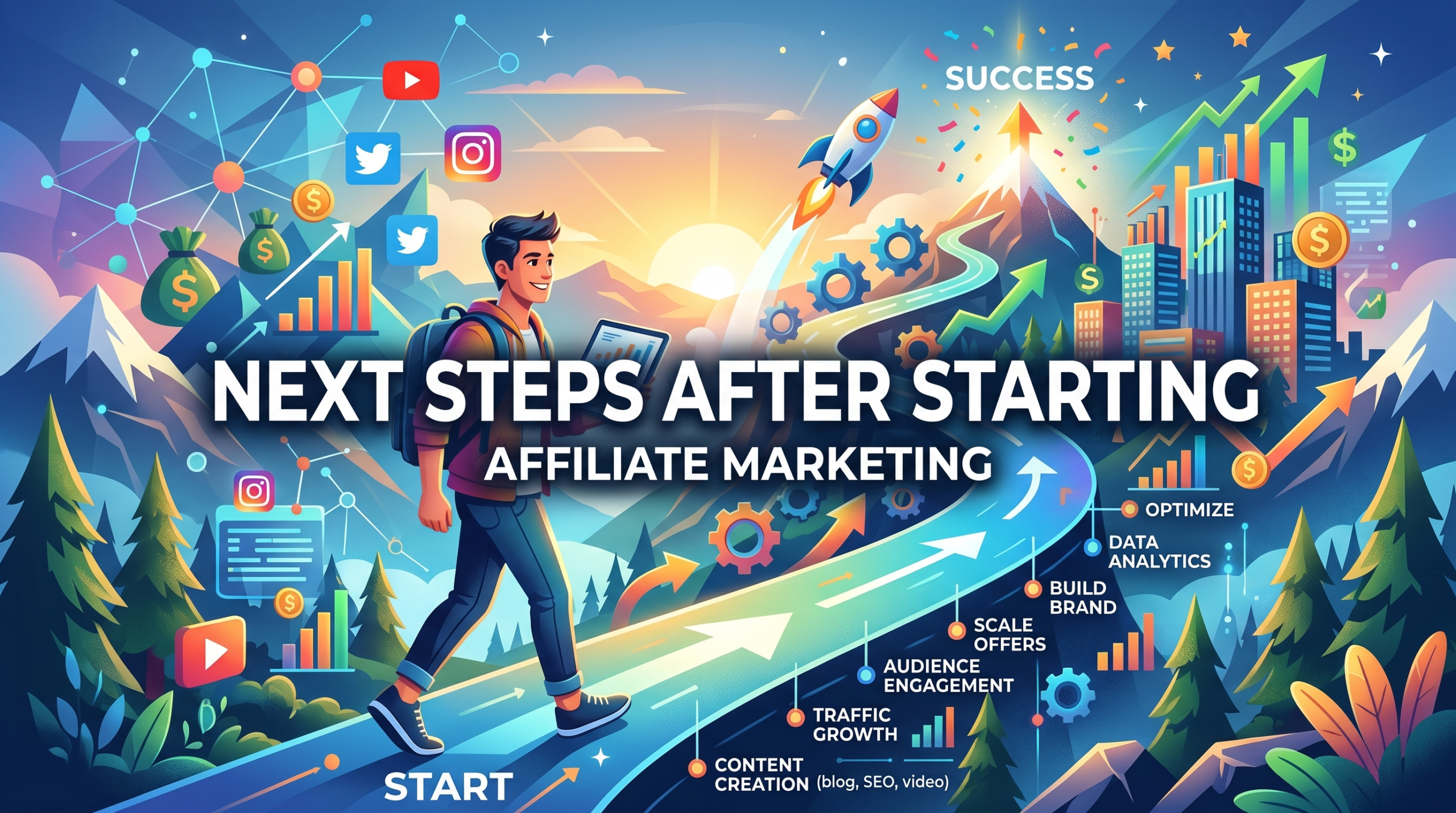

Welcome to Life Shift Pro. Our subject for this blog post is Next Steps After Starting Affiliate Marketing. Jumping into affiliate marketing is a pretty exciting first step, but the bigger question is what comes next. After setting up your basic affiliate links and maybe even earning your very first commission, the really interesting and challenging work starts.
This is the stage where you move from simply being involved to actively growing your affiliate business. Over the years, I’ve noticed that what you do after getting started in affiliate marketing makes a huge difference in how much you earn and how long you stick with it. Here’s my honest guide to making your next moves count.

Understanding the Growth Phase of Affiliate Marketing
Once you’ve set up your website, social channels, or other affiliate platforms, the landscape changes a bit. At this stage, you’re aiming to build up steady, passive income instead of relying on one off commissions. Affiliate marketing is growing every year and there’s still plenty of room for new and determined people to carve out a highly profitable niche.
The growth phase is about more than just waiting for sales to roll in. It’s about tightening your strategy, connecting with your audience, and making your content work harder for you. Even if you started affiliate marketing as a side hustle, the next steps help you build long term stability and consistent earnings.
| Next Step | Purpose | Difficulty | Growth Potential |
|---|---|---|---|
| Create More Content | Increase search traffic and authority | Medium | Very High |
| Build An Email List | Grow repeat traffic and conversions | Medium | Very High |
| Improve SEO | Rank higher in search engines | High | High |
| Scale Affiliate Offers | Promote higher-converting products | Medium | Very High |
Laying the Foundation: Tracking and Analytics
Figuring out what’s working and what’s not is super important if you want to improve. The first thing I always recommend is setting up solid tracking. Google Analytics, affiliate dashboards, and even simple spreadsheets can help you track link clicks, conversions, and earnings by product or channel.
- Check Your Traffic Sources: Look at where your visitors are coming from. You might find that some posts or social channels convert way better than others.
- Monitor Your Popular Content: Notice which blog posts, videos, or reviews are consistently bringing in traffic or commissions. These are worth doubling down on.
- Use Affiliate Dashboards: Most programs give you detailed stats on clicks and sales. Compare these against your analytics data for a fuller picture.
With a good tracking system, you’ll know where to focus your energy for the biggest impact. Remember, data makes it easy to break it down and see which channels or strategies truly deliver results.
Boosting Content Quality and Authority
Quality content builds trust, and trust is the secret sauce in affiliate marketing. After launching your first bits of content, it’s smart to go back and update or improve them. A post or video that did well last year might need a refresh to keep up with changing search habits or product updates.
Here are a few things I do regularly:
- Update Old Reviews: Add new info, fix outdated pricing, and mention new alternatives. This helps keep things relevant and increases your authority.
- Work on Clarity: Make your calls to action clear and easy to follow. A small tweak here can bring big results in conversions.
- Add First Hand Experience: Wherever possible, include your own use of the product. Photos, screenshots, or honest pros and cons really help people trust your recommendations.
- Link Internally: Point readers to other articles or resources on your site, so they stay longer and get more involved with your content.
To truly step up your authority, you can also consider interviewing experts in your niche, getting testimonials, or adding case studies. These small efforts can all have a positive impact and give a boost to your readers’ trust in your content.
Expanding Your Affiliate Offers
If you started with just a handful of products or affiliate programs, now is a good time to look for others that fit your audience. Mixing in some variety helps you protect your earnings if one program changes its rules or commission rates.
- Research Relevant Programs: Look into new affiliate programs that match your niche. Read their terms, look at their commission structures, and see how trustworthy they seem.
- Try Different Product Types: If you focus on products, consider adding digital offers like software subscriptions, courses, or downloadable resources. These often have higher pay outs and recurring commissions.
- Test and Track: Add new links gradually and see how they perform. Keep what works and drop what doesn’t.
Offering a broader mix can help you serve different types of readers and bring in commissions from more angles. Another smart move is to look for seasonal or trending products that might tap into specific times of the year. These short term boosts can complement your core affiliate offers and expand your income streams.
Building an Engaged Audience
A loyal audience is way more likely to buy from your recommendations. Instead of just chasing new visitors, I focus a lot on keeping readers and followers engaged. This pays off in bigger commissions and a stronger personal brand. This article gives a good insight into this: How To Drive Traffic To Affiliate Links.
- Start an Email List: Even a basic free tool can help you collect and communicate with subscribers. Share personal experiences, exclusive tips, and new recommendations.
- Get Social: Find out which social channels your audience prefers and get involved there. Share behind the scenes looks, unboxings, or Q&A sessions.
- Listen and Respond: Respond to comments, emails, and feedback. This helps you figure out what your audience wants, so you can create even better content for them.
Running live webinars or streaming product demos on platforms like YouTube or Facebook can also help deepen your connection with your followers. Engaging directly with people this way makes your brand more approachable and real, increasing the trust that’s so important for affiliate success.
Optimizing for SEO and Conversions
Getting organic traffic from Google and other search engines is a huge part of affiliate marketing success. I put a lot of energy into making sure my content is not just useful but also easy to find.
- Do Keyword Research: Use tools to find what your readers are searching for. Sprinkle these keywords naturally into your titles, headings, and text.
- Improve Your Headlines: Catchy, honest headlines draw people in and can boost your click through rates.
- Use Clear Calls to Action: Guide readers towards clicking your links in a natural, friendly way. Try different styles and see what works best.
- Optimize for Speed: A faster site keeps people involved longer. Compress images, cut down on plugins, and use a reliable host.
Formatting your articles for readability, using bullet points, and adding helpful visuals can also help pump up engagement. Testing and tweaking your landing pages or product review layouts based on analytics helps turn visitors into buyers more often.
Working Through Challenges
Even if you’re doing everything right, there are always a few bumps in the road. Here’s how I handle the most common issues:
- Low Traffic: Audit your content to find gaps, promote on new platforms, or consider boosting posts with small paid ads.
- Declining Sales: Look for outdated links or promos, and check if your offers are still relevant or competitive.
- Burnout: Set realistic goals and batch your content creation. Take breaks and keep your routine flexible to stay motivated for the long run.
Pushing through these small setbacks helps you develop resilience and keep your affiliate business running strong. If you find yourself facing new challenges, connect with others in affiliate marketing forums or mastermind groups, sometimes an outside perspective is all you need to break through a rut.
Growing With Data and Continuous Learning
I’m always learning something new in the affiliate marketing space. New tools, changing algorithms, or updates to affiliate program rules can all affect your game plan. Make a habit of:
- Setting quarterly or monthly content and revenue goals
- Tracking which types of content lead to the best results
- Testing new formats, like video, podcasts, or printables
- Joining forums or communities to learn from other affiliates
Reading industry blogs, subscribing to affiliate program newsletters, and watching what top performers are doing can help you stay ahead. Being flexible helps you jump on new trends fast and take advantage of emerging opportunities before everyone else gets in on them. Staying open to learning and adapting will keep your affiliate marketing business healthy and growing.
Frequently Asked Questions
Here are some questions people often ask about growing after starting affiliate marketing:
Q1: How do I know if my current affiliate products are the right fit?
A: Check your conversion rates and earnings per click. If you notice certain products consistently underperform, even after updating content or testing placement, it might be time to try different offers that better fit your audience’s needs or interests.
Q2: Is it better to join more affiliate programs or focus on just a few?
A: I prefer starting with a few core programs and then slowly branching out. This lets you build deeper relationships and better content for each product. Gradually add more as your audience grows and your niche widens, but avoid spreading yourself too thin and going to broad with your niche.
Q3: How much time should I spend updating content versus creating new material?
A: Both are important. I usually review and refresh older posts every few months, but also set aside consistent time for new content. Fresh articles bring in new traffic while keeping your library updated keeps your rankings strong and helps maintain trust.
Q4: What are some signs that I need to update my affiliate links or offers?
A: If programs change their terms, product availability shifts, or you’re getting questions about out of stock items, it’s definitely time to review and update your links. Broken links or outdated offers can lose you traffic and commissions fast.
Q5: Can I succeed in affiliate marketing without a website?
A: It’s possible using social media, YouTube, or email marketing, but having a website makes things a lot easier. A site boosts your authority, helps with SEO, and works as a central hub for your brand and content.
Q6: How do I balance being honest with promoting products?
A: Always put the reader first and share your real experiences, both good and bad. People trust real opinions over sales pitches, and honesty leads to repeat readers and long term commissions.
Q7: Can affiliate marketing become a full time income?
A: Plenty of people do make a solid living from it, but it usually requires time, patience, and ongoing effort. The more you treat it like a business, the better your chances of reaching full time earnings.
Q8: How long before I see consistent results?
A: It varies, but you can expect to see steady growth in about 6 to 12 months with consistent effort. The exact timeline depends on your niche, content quality, and how much you promote your site and offers. Read this blog for a broader look at this topic: Maximising Affiliate Marketing Earnings.

Summary
Building on that initial start in affiliate marketing is where things get really interesting. From improving your content and tracking your results, to building an audience and keeping up with trends, every step helps set you up for lasting results. Staying patient, keeping your advice genuine, and continuing to experiment all play a big role in making affiliate marketing work for you over the long term.
Growth takes time, but small, consistent efforts can lead to impressive passive income and even a brand new career path. As you move forward, remember to celebrate your wins, stay curious, and stay connected with other marketers, because in this long term adventure, learning and adapting are your greatest strengths along the way. Best wishes and good luck!
Many thanks for reading this blog on the Next Steps After Starting Affiliate Marketing. I hope that it has given you an insight of what to expect and how to go about moving forwards. If you have any questions, please leave them in the comments box below. I will get right back to you.
All the best!
Eamon