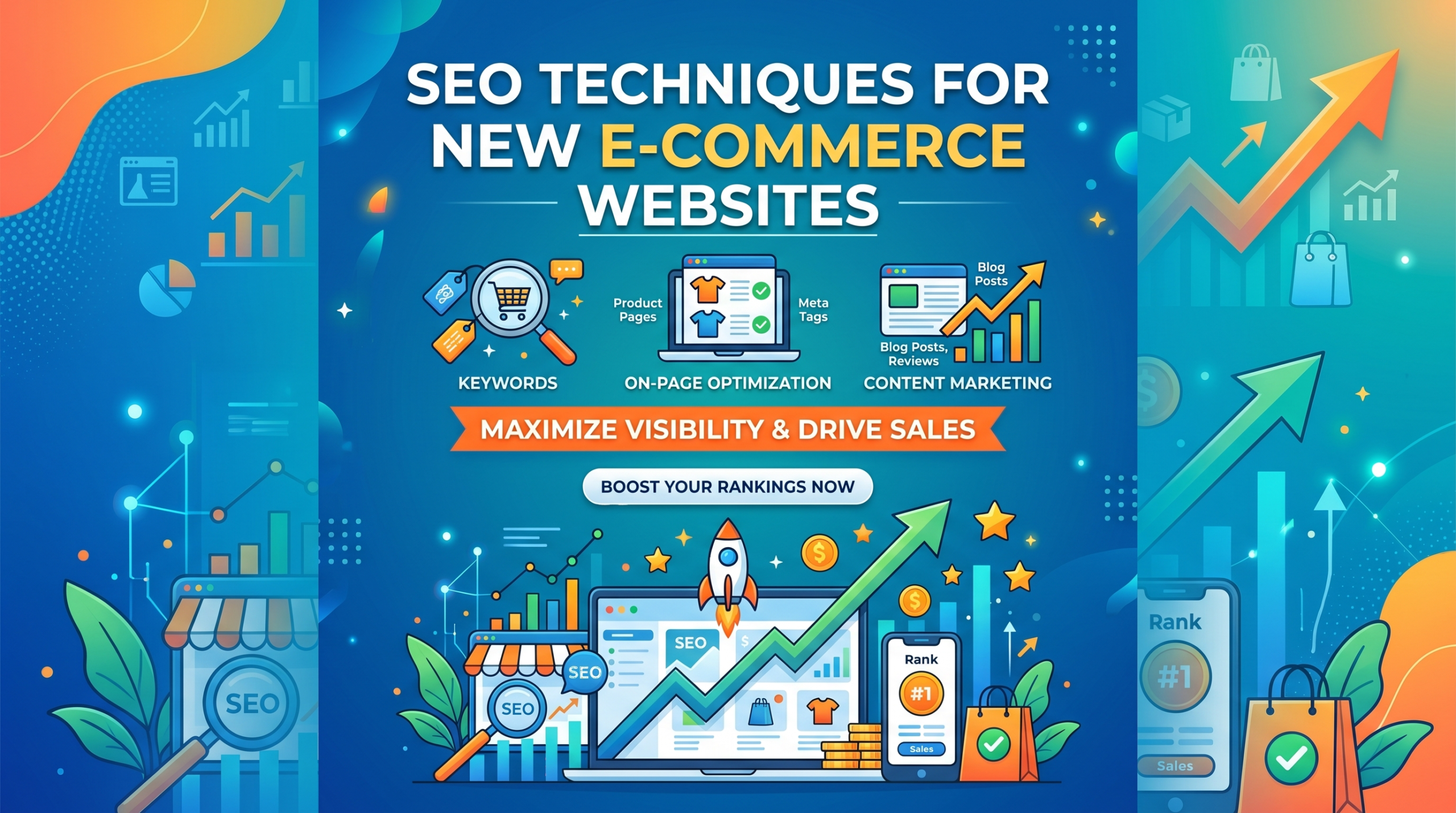

Our topic for this blog post is SEO Techniques For New E-commerce Websites. Launching a new ecommerce website can be pretty exciting, but getting people to actually find your store online? That’s a whole different challenge. SEO, or search engine optimization, is what makes your site more visible on Google and other search engines, bringing in shoppers who are ready to buy.
If you’re just starting out, knowing which techniques actually work for fresh ecommerce sites is super important. I’m sharing tips that I’ve seen help small stores get noticed, even with tons of competition out there.
Understanding SEO for New Ecommerce Sites
SEO for an ecommerce site isn’t just about tweaking a few things, then waiting for traffic. It’s an ongoing process mixing technical basics, content strategies, and getting some buzz around your store. The difference between ranking on the first or second page can mean missing hundreds or thousands of customers. Shoppers are picky. They want fast, easy to navigate sites that actually answer their needs.
Many ecommerce platforms like Shopify, WooCommerce, and BigCommerce come with SEO features that help you get started, but there’s always more you can tweak. Since Google is always updating its algorithm, and the way it understands shopping intent keeps shifting, keeping up with SEO basics will give your site a real boost right from the start. Best E-Commerce Platforms For Small Businesses.
| Technique | What It Does | Difficulty | Impact |
|---|---|---|---|
| Keyword Research | Find buyer-intent keywords | Medium | High |
| On-Page SEO | Optimise titles, meta, content | Low | High |
| Technical SEO | Improve site speed & structure | High | Very High |
| Content Marketing | Drive traffic via blogs | Medium | Very High |
| Backlinks | Build authority | High | Very High |
Core SEO Building Blocks for Ecommerce Websites
Getting your fundamentals right sets the scene for long term growth. Here are a few steps that pretty much every new ecommerce site should focus on:
- Keyword Research: Find out what your target customers are typing into Google to find products like yours. Focus on specific purchase intent keywords so you match what real shoppers are looking for. User intent is important at this stage.
- On Page Optimization: Use your keywords in page titles, meta descriptions, product descriptions, and image alt tags. Each product page should be unique and answer what searchers want to know.
- Site Structure: Organize your categories and navigation so both users and search engines can easily make sense of your store. Clear menus and breadcrumb navigation make your pages easier to crawl and rank.
- Technical SEO: Speed matters. Compress images, use fast hosting, and minimize code so your load times are low. Broken links and duplicate content will hurt your rankings.
Every one of these steps can make a surprising difference. A product page with a great title, fast load time, and helpful images usually outperforms a generic, slow page. Even if the site is brand new, those tweaks make a big difference over several months.
Optimizing Product and Category Pages
Product pages are where SEO for ecommerce truly shines. Search engines love pages that deliver detailed, helpful info. Here are a few tactics that really help new product and category pages get noticed:
- Unique Product Descriptions: Avoid copying text from manufacturers or using the same blurb everywhere. Write about each product in your own words, highlighting what makes it special.
- Keyword Placement: Use main keywords naturally in product titles, descriptions, headings, and even customer reviews. Sprinkle in related longtail keywords to cover more search phrases.
- High Quality Images: Use clear, well lit photos with descriptive filenames and alt text for SEO and accessibility. Multiple angles or close ups can get more traffic from image search as well.
- Category Overviews: Add a short, keyword rich intro to your main category pages. This helps Google understand your page, plus it gives shoppers a reason to keep clicking.
Your first instinct might be to just upload the basics and start selling, but these tweaks set your site up for organic search traffic over the long haul. I always recommend looking at top performing Shopify or WooCommerce product pages for inspiration on layout and copy ideas. Check out examples in your niche and see what could work for your store.
Technical SEO Tips for Brand New Stores
Technical SEO keeps everything running smoothly under the hood. This is where lots of new sites get tripped up, especially when using plugins or dragging over old code. Here’s what I pay close attention to with fresh ecommerce stores:
- Mobile Friendliness: Most online shopping now happens on phones. Test your site with Google’s mobile friendly tool to make sure everything’s responsive.
- Site Speed: Optimize images, use lazy loading for thumbnails, and add caching. Even shaving a second off your load time can improve rankings and user experience.
- Structured Data: Add product schema markup so Google can show rich results (like price, availability, and ratings) right in search. This boosts click throughs and visibility.
- XML Sitemap and Robots.txt: Submit a sitemap to Google Search Console and make sure you’re not blocking valuable pages with your robots.txt file.
- 404 Pages and Redirects: Set up helpful 404 pages and properly redirect old or out of stock product URLs to keep visitors and search engines happy.
I’ve seen slow or broken sites lose out on traffic just because of a couple technical mistakes. Running regular audits and keeping your software up to date is pretty handy for staying on top of these issues. If you’re not sure about something technical, forums and help docs from your ecommerce platform can be lifesavers. Scalable Business Models For Online Entrepreneurs.
Content Marketing for Store Visibility
You might not have a blog or resources section on your store just yet, but content marketing is super useful for getting found. Helpful articles, buying guides, or comparison pieces bring people into your site, even if they’re just looking for info at first. Even a simple blog post can give you a SEO boost and show search engines you’re active.
Some ideas for ecommerce content:
- How To Guides: Explain how to use or care for your products.
- Comparison Posts: Show differences between similar products in your shop.
- Gift Lists: Curate collections for holidays or special occasions using your own products.
- Answering FAQs: Write articles that answer common questions about your industry or products.
This kind of content builds trust, brings in organic traffic, and keeps visitors exploring your site longer. Look at what your competitors are writing about and fill in the gaps. Put your own spin on trending topics. Even once a month posts can have a long term impact on your search visibility.
Building Trust with User Experience and Reviews
Even the best optimized site won’t sell much if shoppers don’t feel comfortable buying. Search engines pay attention to signals like reviews, secure checkout, and easy to navigate layouts. Here are a few steps I’ve found really important for new ecommerce stores:
- Collect Reviews: Ask early buyers for feedback and display it on product pages. Positive reviews build credibility, and even critical ones show transparency.
- Display Trust Badges: Highlight security, free shipping, or return policy badges for peace of mind.
- Simplify Checkout: Keep your checkout as short and distraction free as possible.
- Clear Contact Info: Put email, phone, and return details somewhere obvious. Shoppers, and even Google, like seeing you’re a real business.
I’ve seen stores miss out on sales just because shoppers couldn’t find any reviews or basic policy info. Making your store trustworthy and easy to use matters a lot for both people and search engines. Adding testimonials, trust badges, or pictures of real people using your products helps nudge shoppers to buy.
Getting High Quality Backlinks
Google looks at how many quality sites link back to yours as a sign you’re trustworthy and useful. For new ecommerce stores, building backlinks can feel tricky, but it’s totally doable with the right approach. Here’s what I focus on at the beginning:
- Ask Suppliers for Links: If you sell branded products, your suppliers or manufacturers may have “where to buy” pages where they’ll list you.
- Reach Out to Bloggers: Offer free samples or run small giveaways to encourage reviews and mentions from local or niche bloggers.
- Get Listed in Local Directories: Add your business to local and industry directories. These not only help SEO but also drive direct clicks.
- Share Helpful Content: Create guides or posts worth sharing and pitch them to related forums, groups, or communities.
The goal is to get links from reputable, relevant sources. Avoid dodgy shortcuts or purchasing backlinks. A few high quality links go a long way for new sites and help Google pick up your store faster.
Tracking Your SEO Progress
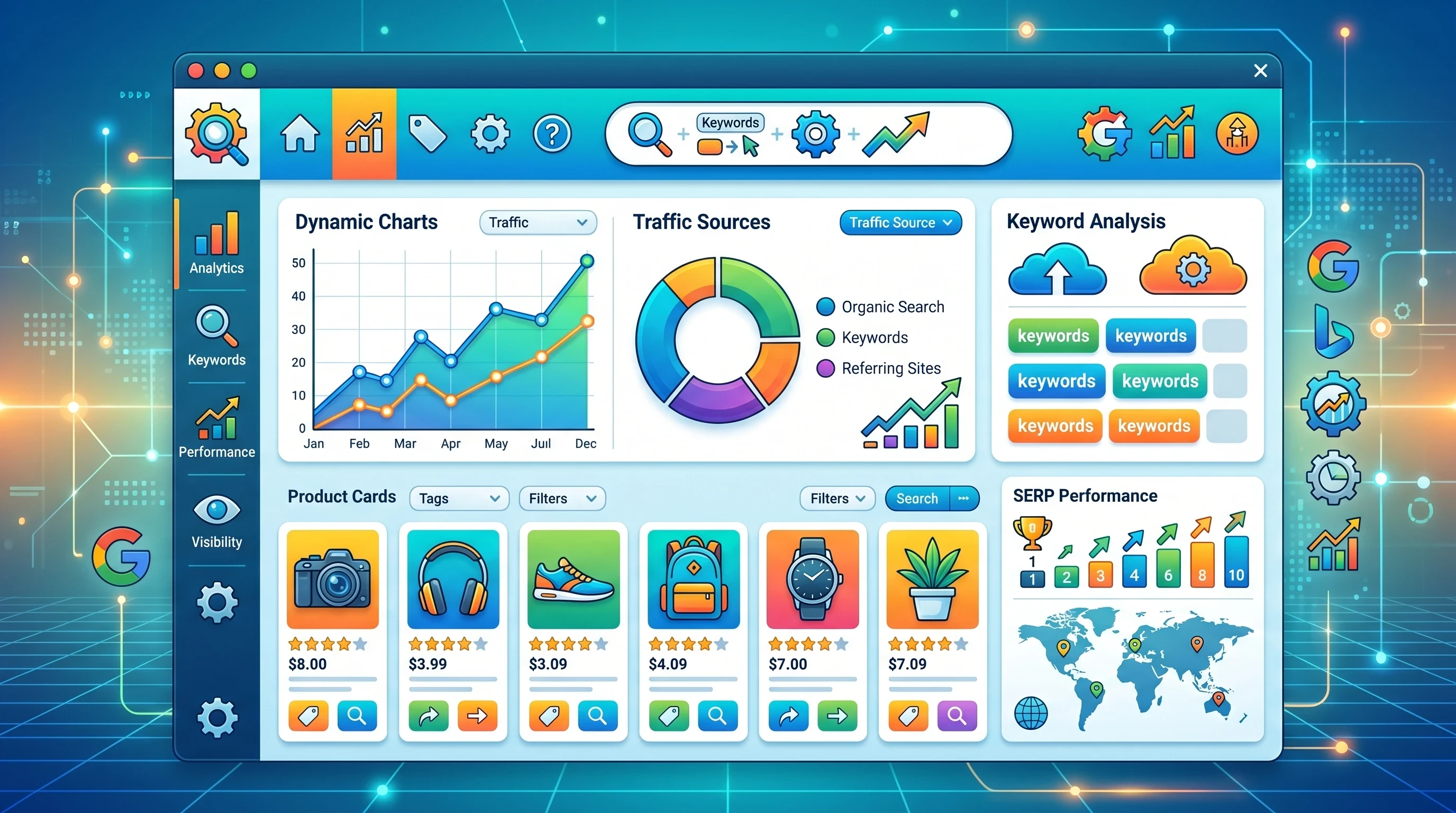
You’ll want to know what’s really working and what’s not. Setting up free tools like Google Analytics and Google Search Console will help you monitor where your visitors are coming from, which search terms bring in the most traffic, and where you can improve. I always recommend checking site speed with Page Speed Insights, keeping an eye on impressions, and watching which pages get the most attention. If you track your changes, you’ll know what made the difference.
Track:
- Organic search traffic growth
- Top keywords and pages
- Bounce rates and conversion rates
- Error reports and page loading times
Tweaking your site regularly based on real data means you can grow traffic and improve sales without guessing. Saving screenshots or keeping a spreadsheet to note what changes you made is super helpful, especially over the first year. Looking back lets you see the progress and double down on what works best.
Advanced Tweaks: Taking Your SEO to the Next Level
After your basics are covered and your site is live, you can check out some more advanced SEO techniques for ecommerce:
- Internal Linking: Connect related products, categories, and blog posts so users spend more time on your site and search engines crawl more pages.
- Optimize for Featured Snippets: Answer questions clearly and concisely on your product and content pages for a better chance to show up in “People Also Ask” boxes or snippet results.
- Use Video Content: Short videos showing products in use can help boost dwell time and attract extra traffic from YouTube search.
- Monitor Competitors: Use SEO tools to see what’s working for similar stores, then look for content gaps or keywords they’re missing.
Being consistent with SEO and open to learning new tactics will make a lot of difference as your ecommerce store grows. There’s no need for highly technical skills to get started. Most of these strategies work for beginners who care about their brand. Staying curious and willing to try small tweaks is what separates the stores that stick around from those that fade away.
Frequently Asked Questions
Here’s a handy FAQ with some questions I often hear from people building new ecommerce sites:
Q1.How long does SEO take to work for new ecommerce websites?
SEO is a long game. For brand new sites, you might start seeing some movement in search rankings in a couple of months, but competitive keywords can take six months or more. Sticking with it pays off. Don’t expect overnight results, but consistent work delivers returns.
Q2.Which SEO plugin or tool should I use for my ecommerce website?
Most ecommerce platforms come with built in SEO features, but plugins like Yoast for WordPress and Shopify’s built in SEO tools are worth checking out. Google Search Console and Ahrefs are both super useful for tracking progress and finding new opportunities. Try a few out to see what fits your workflow best.
Q3.Should I write my own product descriptions or use manufacturer copy?
Writing your own descriptions works way better for SEO. Unique, helpful content tells Google there’s something special about your site, and it’s more likely to rank you above stores with the same generic text. Use your store’s brand voice, not just plain facts from manufacturers.
Q4.How many keywords should I use for each product or category page?
Focus on one main keyword per page, with a few closely related secondary keywords. Keep your content natural, avoid stuffing keywords, which can actually lower your rankings. Quality over quantity is key for keyword approach.
Q5.What’s the best way to get reviews for a new store?
Start by reaching out to first time buyers with a simple follow up email asking for a review. Offer a small discount or future perk to encourage feedback, and always respond to reviews (both good and bad). A personal message goes a long way, especially early on.
Q6.Can social media help with SEO for my ecommerce store?
Social media won’t directly boost your rankings, but it’s a great place to get your products seen, drive traffic, and earn more backlinks, which all contribute to better search visibility. It also helps build your brand’s reputation and can get people talking about your store.
Q7.Should I hire an SEO agency for my new ecommerce website?
I recommend learning the basics and implementing them yourself at first. Once your store is profitable, you might look into hiring specialized help for more advanced strategies or technical fixes you can’t handle in house. Starting with a DIY approach teaches you the ropes and saves money.
Q8.How do I know if my SEO changes are working?
Check your Google Search Console and Analytics dashboards to see traffic trends, keyword rankings, and which pages attract visitors. The more focused you are on improvements, the easier it is to spot real progress over time. Pay attention to actual sales as well as traffic, the ultimate measure of success!

Related Article
Summary
Learning how SEO works and changes over time is important for the long term prospects of any website. The best time to learn about SEO is when you are starting out. That way, keeping on top of things and adjusting things slightly becomes a habit, rather than a chore. If you would like to learn more about how to build an online business from scratch, take a look at Wealthy Affiliate. You can read my full review here or click the banner above to go and view the homepage.
If you have any questions at all, or just want some help and advice, please leave a message in the comments box below and I will get right back to you. In the meantime, best wishes with your online business adventure.
All the best!
Eamon