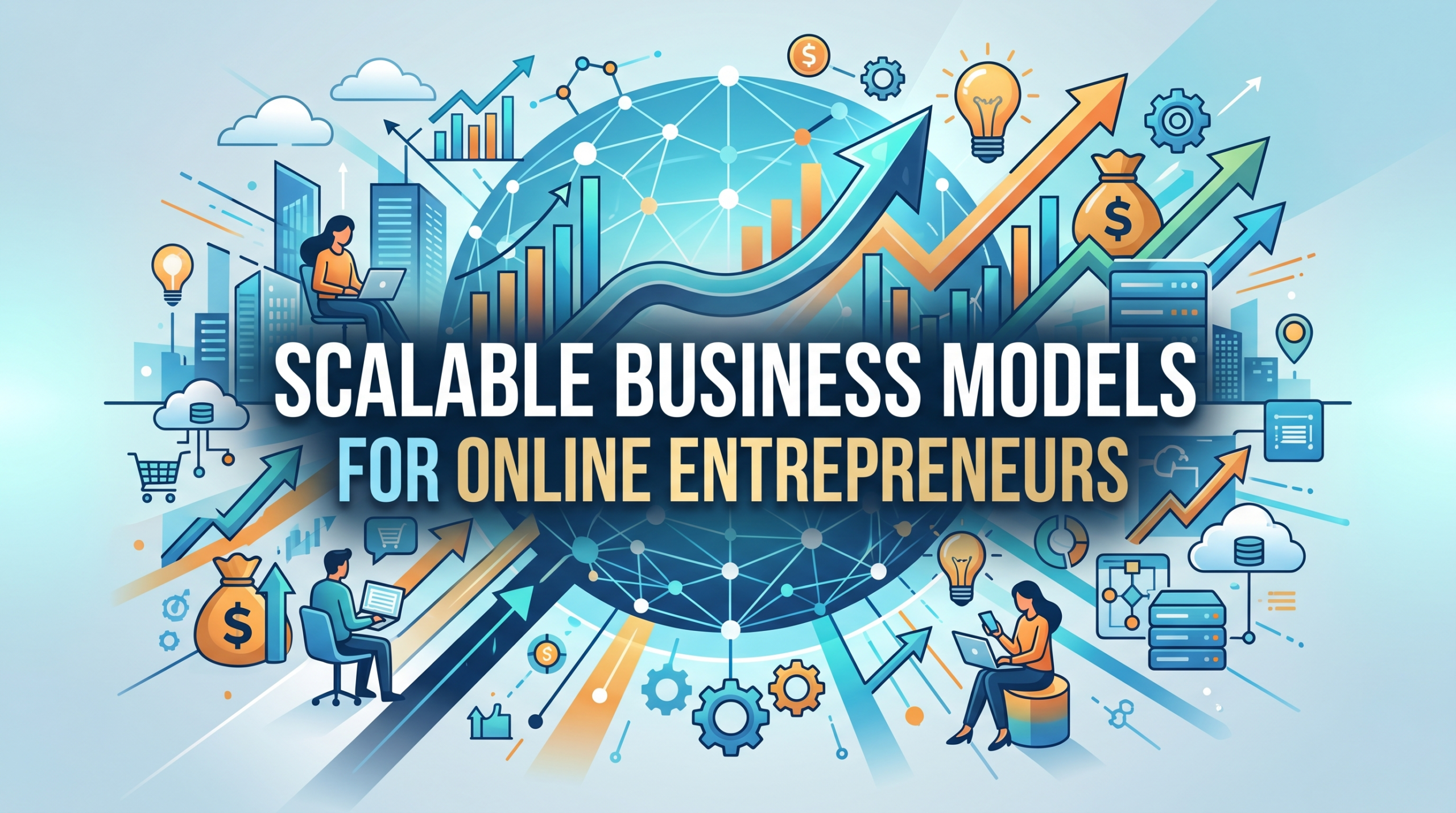

Scalable Business Models For Online Entrepreneurs is our topic for this blog post. Building a scalable business online can offer more freedom, flexibility, and growth options than many traditional jobs. From my own experience and from working with other online entrepreneurs, business models that let you increase your revenue without matching that growth with constant extra effort or costs are a game changer.
The great thing is, there’s no single path here. There are plenty of models that help you grow sustainably and reach more people while keeping your operations manageable. Building Passive Income With Online Courses.

Understanding Scalable Business Models for Entrepreneurs
When someone mentions scalability in business, it simply means the company can handle more customers or sales without needing to massively increase its expenses. As an online entrepreneur, I pay special attention to digital products, automated systems, and services that let me serve more clients easily. These models give me more control, and can boost income without burning out trying to keep up with demand.
Not every online idea is naturally scalable. Some require you to be present for every sale or to fulfil everything manually, which can get tiring quick. The key is looking for opportunities where automation, digital delivery, or making use of technology lets you serve more people without hitting a wall.
Over the last decade, scalable online businesses have exploded. Tools, platforms, and cloud services allow entrepreneurs working from anywhere to run businesses that used to need full teams and storefronts. If you’ve ever wondered if you might be missing an opportunity by sticking with fully manual processes, exploring scalable options could be your next smart move. Best 5 Side Hustles To Earn $50k Per Year.
| Model | Startup Cost | Scalability | Automation Level | Income Potential |
|---|---|---|---|---|
| Affiliate Marketing | Low | High | High | High |
| Online Courses | Medium | Very High | Very High | Very High |
| Ecommerce (Dropshipping) | Medium | High | Medium | High |
| SaaS | High | Very High | Very High | Very High |
| Freelancing | Low | Low | Low | Medium |
Popular Scalable Business Models for Online Entrepreneurs
There’s a wide range of scalable online business models that tap into automation, digital products, or networks to enable growth. Having tried a few myself and seeing others do the same, I’ve picked out several that are worth exploring. Here’s a quick rundown of some of the top choices out there:
- Software as a Service (SaaS): Building a tool people subscribe to and use over the web can create long term, recurring revenue with very little marginal cost per user once it’s set up.
- Digital Products: Ebooks, courses, downloadable templates, or memberships are sold repeatedly without restocking or shipping, making them super scalable.
- Affiliate Marketing: You promote other people’s products and get paid a commission for each sale. Automation and content let you reach a big crowd once your website or platform gains traction.
- Ecommerce with Dropshipping: Customers order from your store, and a third party handles shipping. You never handle the inventory, so you’re not limited by storage or logistics.
- Marketplace Platforms: Think about running a site that connects buyers and sellers, like a mini version of Etsy or Airbnb. The platform collects fees per transaction, so your revenue can scale as more users join.
- Ad Supported Content Sites: Blogs, podcasts, or YouTube channels that collect advertising revenue earn more as their audience grows, especially when combined with evergreen content or guest contributors. Best 6 Passive Income Ideas.
First Steps to Building a Scalable Online Business
When you’re just starting out, picking and validating your model helps avoid wasted time. Here’s how I usually approach launching a business with scale in mind:
- Target a Specific Niche: Focusing in on an audience helps you tailor your offer, making growth easier once you’re established.
- Choose a Model with Built In Leverage: Digital products, automated memberships, apps, and other online models using technology allow you to handle growth better.
- Set Up the Right Tools: Invest early in automation, email marketing services, streamlined payment gateways, and platforms that grow with you.
- Validate Your Idea: Run early tests with a smaller group to see if your offer gets the response you expect. Feedback at this stage is super valuable.
- Build Processes for Repeating Success: Document steps and automate tasks whenever possible so that increased demand doesn’t mean more work for you.
Even though it’s tempting to get into advanced strategies right away, nailing the basics ensures you’ve built a foundation for healthy scaling. If you’re willing to start small, run lean, and learn quickly, your chances of growth multiply. Remember, strong foundations support larger structures.
What Helps Make an Online Business Model Scalable?
There are certain ingredients I look for when deciding if an online business is set up for growth. These factors help keep operations smooth, even as your sales numbers go up.
- Automation Potential: Can you automate sales, delivery, communication, or marketing through email sequences, software, or scheduling tools? Automation saves a ton of time while you sleep and lets you focus on higher value activities.
- Low Marginal Costs: If each new customer costs almost nothing to serve, like with a digital download or online course, your profit margins can increase as you grow. Keeping variable expenses low allows you to reinvest in growth strategies when needed.
- Network Effects: Does each new user or buyer make the platform more valuable? Online marketplaces or user generated content sites get stronger as they grow and become more attractive to new users.
- Recurring Revenue: Subscriptions and memberships offer steady income and stabilize cash flow. This predictability is crucial for effective planning and helps ease up financial stress as your business scales.
These characteristics make some online businesses easier to scale than others. It’s not always possible to have every single advantage, but even one or two can make a big impact.
Roadblocks in Scaling an Online Business
Even the easiest sounding business models run into bumps. I’ve hit a few myself, and it’s handy to know what challenges might show up when your numbers start to climb. Addressing these issues early can save you from headaches down the line and keep your business healthy as it grows.
- Technology Breakdowns: Platforms and automation can fail, or you might outgrow your early tools. Having a backup or knowing when to switch technology is really important. Regularly updating systems prevents surprise downtime and maintains your professional presence.
- Customer Support Needs: Growth means more questions or issues from buyers. Automated responses and good FAQs help, but real human support is still needed as volume grows. Building a template bank for responses and considering a helpdesk tool will smooth the way as inquiries increase.
- Market Saturation: Others might spot your successful model and jump in. Ongoing innovation and staying in touch with your audience help keep you relevant. Don’t be afraid to jump into new channels, update your offers, and test additional value adds to set yourself apart.
- Maintaining Quality: As operations grow, it’s tempting to cut corners. Customer satisfaction and great experiences are what fuel long term growth, so this stays front and centre for me. Regular feedback and spot checks help keep standards up.
Technology Breakdowns
Tech is awesome until it breaks. Outages, unexpected bugs, or platform bans can stop your income that day. I always look for reputable platforms and have backup plans for critical pieces like payment processing and email systems. Keeping everything updated and occasionally reviewing third party services prevents downtime. Building a support relationship with providers also makes it easy to solve problems quickly. What Is Affiliate Marketing In 2026?
Customer Support Needs
Automating responses helps, but as you serve more people, individual questions or unique cases increase. Having a helpdesk, templates for responses, or even hiring part time help as needed can make scaling go much smoother. Prompt support builds trust and keeps word of mouth referrals positive, which is priceless for continued expansion.
Market Saturation
Online markets fill up quickly as new competitors arrive. To stay ahead, I listen to feedback, update my product regularly, and always look for new value I can add, whether that’s through bonus content, improved features, or community aspects within a membership. Testing new marketing strategies, collaborating with others, and mixing in some variety can also keep things fresh.
Maintaining Quality
As you grow, some businesses cut corners for speed. I’ve found focusing on delighting customers, even with simple touches like fast delivery of a digital product, maintains loyalty and increases repeat business. Collecting regular feedback and revisiting onboarding and support processes keeps standards high and customers happy.
Scaling up comes with some growing pains. Careful planning, the right tools, and a focus on customer experience keep your business moving forward. Revisiting your systems at each new milestone helps maintain momentum as you grow.
Advanced Tips for Scaling Online Business Models
When you’re past the early stages and building momentum, a few tweaks can help you push growth further and automate even more of your work:
- Delegate and Outsource: Hiring freelancers for tasks like customer service, design, or social media frees you up for strategy and product creation. Building a network of reliable helpers lets you move fast while keeping standards high.
- Focus on Analytics: Tracking key metrics like customer lifetime value, churn rates, and traffic sources helps you find new growth opportunities and spot bottlenecks. Make data driven decisions to get the most out of your marketing and development efforts.
- Introduce Upsells and Cross Sells: Offer premium versions, bundles, or add ons to your digital products for higher average order value. This strategy lets you monetize existing customers without spending more to acquire new ones.
- Automate Marketing: Set up evergreen sequences, retargeting ads, or scheduled posts to drive traffic and sales automatically. Tools like marketing automation platforms are pretty handy once your basics are in place. This lets you reach new audiences consistently without extra hustle.
- Build Partnerships: Teaming up with complementary brands or creators can introduce you to new audiences, sharing the workload and rewards. Cross promotions and joint ventures open the door to quick gains in reach and authority.
- Systemise Knowledge Sharing: Create clear SOPs (Standard Operating Procedures) for every repeatable task, which simplifies training and ensures consistency as your team grows, even if it’s just a handful of freelancers.
Every growth stage brings new opportunities to streamline, increase revenue per customer, and reach wider audiences. The key is to keep your focus on efficiency, customer value, and building a strong, adaptable foundation for whatever comes next. Online Business For Beginners.
Key Categories of Scalable Online Businesses
In my experience, these broad categories are super friendly for online entrepreneurs wanting to scale:
- Digital Information Products: Selling knowledge through courses, webinars, guides, or toolkits. These products can be created once and sold many times, making use of automation for delivery.
- SaaS (Software as a Service): Subscription software and apps offering ongoing value. This model relies heavily on recurring revenue and can reach a global customer base.
- Affiliate Based Content Brands: Blogs, review sites, or YouTube channels monetized with affiliate links. Content can work for you 24/7, and scaling depends more on reach than hours worked.
- Marketplace Owners: Connecting buyers and sellers, taking a fee for every transaction. As more users join, the platform becomes even more appealing.
- Subscription and Membership Sites: Delivering exclusive content or community access with monthly or annual fees. Predictable revenue makes it easy to plan and scale.
- Print on Demand and Dropshipping Stores: Ecommerce stores where third parties handle inventory and shipping. You focus on marketing and platform management, not on packing boxes.
Each comes with its own learning curve, but the payoff in scalability is real if you find a topic or need you’re excited to serve. The more you lean into automation and processes, the smoother your growth will be.
Questions Online Entrepreneurs Often Ask
It’s common to have plenty of questions when picking or growing a scalable business model. Here are some I hear all the time, with answers based on my experience:
Question: What’s the most affordable scalable online business to start?
Answer: Digital products like ebooks or online courses don’t require inventory or big upfront investment, making them a budget friendly option to get started.
Question: Can any online business be scaled?
Answer: Not all online businesses scale easily. The best ones rely on automation or digital delivery, so your costs and effort don’t rise with each new customer.
Question: How quickly can I expect to see growth?
Answer: That depends on your niche, marketing efforts, and model. Some people see real traction in a few months, but steady, sustainable growth usually takes consistent effort over a year or more.
Question: What skills are helpful when running a scalable business?
Answer: Digital marketing, email automation, basic analytics, customer support, and solid writing are super useful skills that come up a lot. Being willing to learn quickly is also an asset, since online tools and platforms change regularly.
Question: How do I keep quality consistent when I grow?
Answer: Set up clear systems, automate where possible, and don’t be afraid to hire help when customer needs pick up. Consistency comes from having reliable processes and regular check ins with your team or freelancers. Refine your onboarding and training materials regularly to keep everyone on the same page.
Question: Are there risks with automating parts of my business?
Answer: Automation speeds things up, but risks include outages or losing the personal touch. I always balance automation with occasional manual checks and genuine customer engagement, so people still feel valued even as things scale.
Question: Is it possible to scale a service based business?
Answer: It’s doable if you package expertise into digital products or group programs, or build a team who delivers services with standardized processes. This way, you’re not tied to charging only for your own time and can reach more clients than solo efforts allow.
Question: How do I know if my business is ready to scale?
Answer: If you have more demand than you can handle, or your offer is working well with small groups, it’s a sign you can ramp up with automation, delegation, or digital delivery models. Keep an eye on your key metrics and listen to customer feedback for timing clues.
Why Scalable Business Models Matter for Online Entrepreneurs
Setting up a business that can handle growth without endless hustle lets you spend your time where it matters most. Whether it’s on strategy, thinking outside the box, or simply enjoying more free time, scalable models let you step back whenever needed. Digital products, SaaS, and platform driven businesses are some of the friendliest options for online entrepreneurs wanting to grow big without all the extra stress. Is An Online Business For You?
Choosing scalable models doesn’t mean the work is all done for you. Digital tools, automation, and smart planning help keep your business running smoothly as new customers come in. Whether you want to build a side income or aim for a global audience, considering scalability gives you a real edge for sustainable growth and long term satisfaction.

Related Article
Many thanks for taking the time to read this article on Scalable Business Models For Online Entrepreneurs. I really hope that it has given you some valuable ideas that you can take forwards and implement into your own online business ventures. If you have any questions at all, or just want some help and advice, please leave a message in the comments box below. I will always reply to every message.
All the best!
Eamon