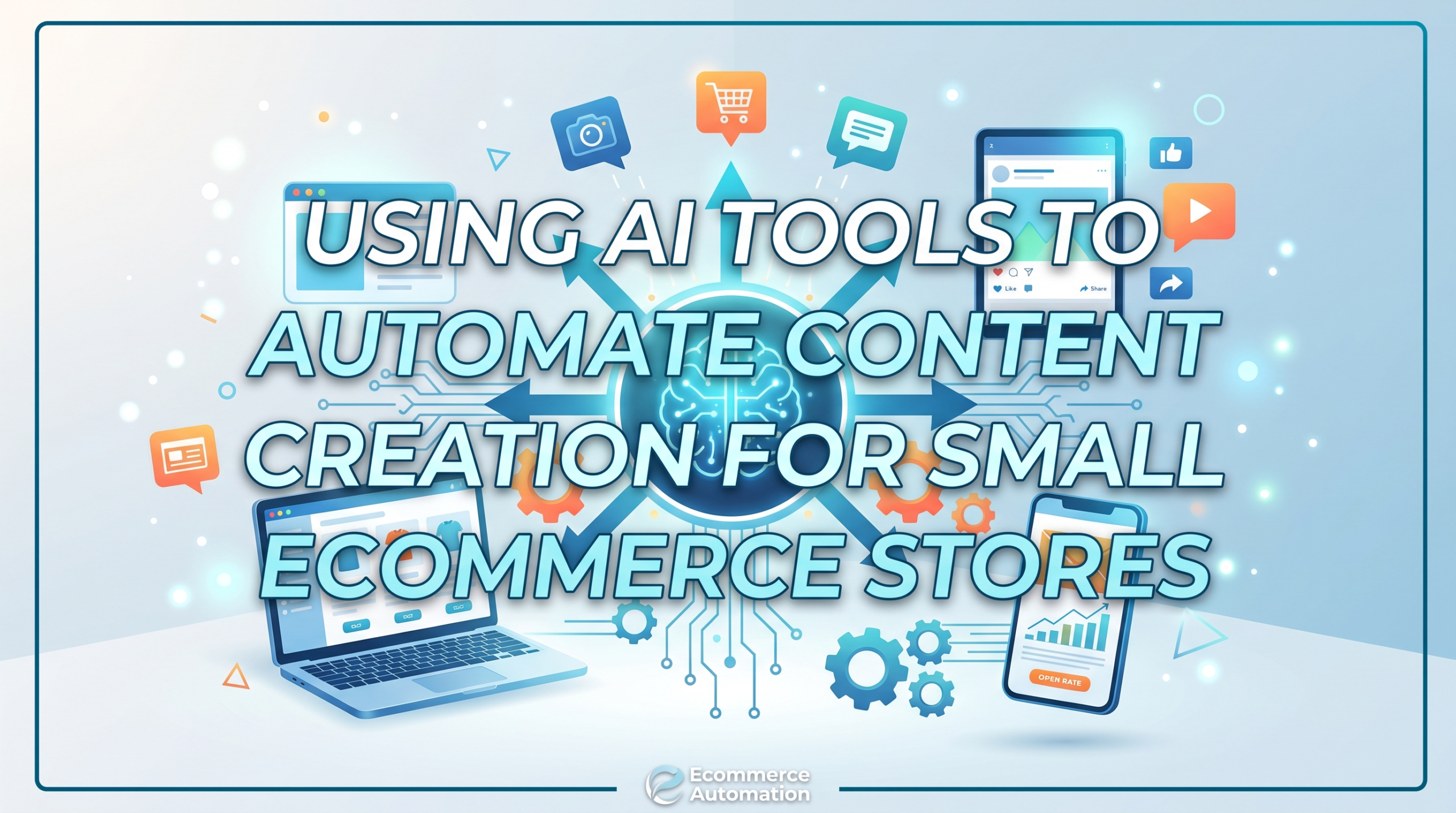

Using AI Tools To Automate Content Creation For Small Ecommerce Stores. Content creation with AI can be a real game changer if you run a small ecommerce store. With limited time and tight budgets, creating product descriptions, blog posts, social media updates, and email campaigns can feel overwhelming. I’ve worked with plenty of ecommerce owners who feel stretched thin by these demands.
Using AI tools is a straight forward way to lighten the load, save some cash, and still put out quality content that helps bring in new sales. Best AI Writer: Wealthy Affiliate Vs Copy.ai.

Why Automate Content Creation for Small Ecommerce Stores?
AI automation for content creation has taken off in recent years, and I see more small store owners giving it a try. The main reason? It saves time and helps stores keep up with bigger competitors. Consistent, fresh content is pretty important for search rankings and customer engagement, but many small teams just don’t have the staff or resources to do it all manually. That’s where AI comes in.
Recent advances in language models mean AI can help write social posts, generate product descriptions, and suggest blog ideas. A recent report from the US Chamber of Commerce found that 59 percent of small businesses using AI say it saves them time, allowing owners to focus on shipping orders and growing their brands. All this adds up to more time and energy that can be put into the parts of the business you actually enjoy running. AI For Business: How To Automate And Scale Your Venture.
What’s even greater about automation is that it can level the playing field. Smaller ecommerce businesses can keep content flowing and stay visible online, even when competing with much bigger brands. Plus, when done right, automation lets you react quickly to holidays, sales trends, and market shifts so you stay relevant all year long.
| Task | AI Tool Use | Time Saved | Impact |
|---|---|---|---|
| Product Descriptions | Generate SEO descriptions | High | Very High |
| Blog Content | Automated article writing | High | Very High |
| Ad Copy | AI-generated ads | Medium | High |
| Email Marketing | Auto sequences & campaigns | High | High |
| Social Media | Scheduled AI posts | Medium | Medium |
Getting Started: Picking the Right AI Tools for Content Automation
I always recommend starting simple. You don’t need a complicated tech stack to see results. There are plenty of easy to use tools out there that are either free or reasonably priced. Here’s a breakdown of types of tools and what they do:
- AI Copywriting Tools: These help with product descriptions, category pages, email campaigns, and more. Tools like Jasper and Copy.ai give you templates for different purposes; just fill in a few details, and you’re set.
- AI Image Generation: Tools like Canva and Microsoft Designer use AI to create custom images or graphics for social posts, banners, and ads. This is super handy for stores that don’t have a designer on staff.
- AI Video Makers: Lumen5 and InVideo can turn product info or blog posts into short video snippets for product pages, Instagram stories, and YouTube shorts.
- Social Media Content Schedulers: Buffer and Later now include AI writing features that generate captions, hashtags, and content ideas for you to queue up ahead of time.
Most of these tools offer a free trial. I always suggest trying two or three to see what feels easiest and fits into your daily routine. When you’re comparing tools, make sure to look at the limits on free versions and check if the paid plans actually fit your needs. Many store owners find that spending a little on one solid tool pays off quickly in time saved each week.
Key Content Areas You Can Automate With AI
AI tools are like having a whole extra set of hands. Here are the most common and useful areas to automate if you run a small ecommerce store:
- Product Descriptions: Instead of writing dozens or hundreds of unique descriptions, use AI to whip up SEO friendly, compelling blurbs for every product. Just make sure to add some personal touches so each description matches your brand voice.
- Blog Articles: Regular blogging boosts search rankings, but finding time to write is tough. AI can generate blog post outlines, introductions, or even full drafts that you can edit and publish quickly. See Wealthy Affiliate’s Article Designer.
- Email Newsletters: AI powered tools can suggest subject lines, write compelling content, and even segment your lists for better targeting. This speeds up the process and helps boost open rates.
- Social Media Posts: Coming up with daily posts is exhausting. AI can generate new ideas, draft captions, and schedule updates so your feeds always look alive.
- FAQ and Customer Service Replies: Chatbots powered by AI can handle simple customer inquiries 24/7. This frees you up from constantly answering the same questions.
Automating these basics means you spend less time repeating yourself and more time actually building your business. Over time, letting AI handle repetitive tasks streamlines your workflow and lets you focus on categories, campaigns, and connecting with your customers in ways only you can do best.
How AI Content Automation Actually Works (And What to Expect)
At first, AI generated content can feel a bit generic or repetitive, especially if you just copy and paste. The real magic comes from personalizing the results. Here’s how I approach it when I help ecommerce stores use AI:
- Start with Clear Prompts: The better info you give the AI, the better the results. Be specific about your target audience, product features, and brand style.
- Edit and Personalize: Never just run with the first draft. I always tweak language, add unique brand details, and adjust the tone to sound more like a human wrote it.
- Mix It Up: Use AI suggestions as a starting point and then add your own flair. This keeps your content from sounding robotic or boring.
- Stay Consistent: Create a brand style guide with preferred phrases, tone, and key points. Feed this info into your AI workflows to keep all your content feeling consistent.
- Analyse Results: I regularly check analytics to see which content drives the most sales, clicks, or engagement. Use AI tools that give you performance insights to see what’s connecting with your audience.
Finding this balance keeps content feeling fresh and on brand, even when much of it starts with an AI draft. Over time, the more you work with these tools, the better you’ll get at dialling in your prompts for better, more natural results. Extra detail equals better outcomes! AI Online Business For Beginners.
Common Obstacles and How to Tackle Them
Like any new approach, using AI for content comes with its own learning curve. Here are a few common bumps in the road that small ecommerce owners run into, plus how to get around them:
- AI Generated Content That Sounds Flat: Most AI tools default to pretty bland language. I recommend always adding a human touch, even if it’s just a sentence or two unique to your shop or brand.
- SEO Issues: AI can repeat phrases or keyword stuff, which hurts rather than helps rankings. Always review for natural flow and adjust keywords as needed.
- Brand Inconsistency: Switching tools or not giving clear guidelines can result in posts that don’t feel like “you.” Creating a document with preferred language and key brand messages helps keep everything matched up.
- Plagiarism Risk: Some tools can accidentally create content too close to existing copy online. Use plagiarism checkers to avoid trouble.
Once you learn to spot these common issues, most are pretty easy to fix with a quick edit or some up front planning. The more you check your AI drafts, the better you’ll get at catching the hiccups before they go live.
Avoiding Repetitive Content
Repetitive content can annoy Google and turn off potential customers. I use AI as a “first draft” tool, then customize each piece for the product and season. Changing up formats, adding customer reviews, or weaving in real life stories makes the copy more interesting and improves SEO.
Managing Tone and Voice Consistency
Your brand’s personality is super important. If you run a quirky online plant shop, your product descriptions should sound playful and fun, not stiff or generic. I recommend feeding example phrases into your AI tool or referencing your favourite brand’s style when giving prompts. This way, the final content always fits your voice. Consistent brand voice not only builds trust but also makes your store memorable, separating you from the competition.
Maximizing Results: My Top Tips for AI Powered Content Creation
Once you’ve decided to try AI, getting the most out of it is all about finding ways to work smarter, not harder. Here are some tips that I’ve found really useful:
- Batch Tasks: Set aside an hour a week to have AI generate a month’s worth of social posts or product updates. This is way more efficient than working piece by piece.
- Use Templates: Most tools have specific templates for emails, product pages, and landing pages. These templates keep writing focused and help you move faster.
- Make Use of Integrations: Plenty of AI tools now connect directly to your site, Shopify, or email platform, so you can auto update content without copy pasting.
- Test Formats: Don’t just stick to written content. Play with AI generated videos, infographics, and code snippets to see what your shoppers respond to best.
- Follow Trends: Many AI platforms offer suggested topics or trending hashtags based on season and region. Use these for timely content that’s more likely to get shared.
Staying curious and experimenting is a big part of the process. Try a few new things each month and see what sticks. Plus, don’t forget to include a mix of content types; rotating between images, short videos, quick tips, and stories keeps your shop’s content dynamic and engaging.
Real World Use Cases: AI Content Automation in Action
Here are some real examples I’ve seen that show off how handy AI can be in small ecommerce:
- A local candle shop used AI tools to whip up fresh product descriptions for 80 scents in just two afternoons. Before, this project took weeks!
- An art print shop used AI image generators to create mock ups for new pieces, updating their product images quicker and keeping the site looking fresh.
- A store owner in Texas sent weekly email newsletters with AI powered subject lines, which boosted open rates by around 15 percent.
- A dog accessory store automated answers to their top 10 customer questions with an AI chatbot, saving hours every week on repetitive emails.
Stories like these show how AI doesn’t just save time. It makes room to focus on sales, sourcing, and customer service instead of getting bogged down in busywork. In some cases, store owners have gone from struggling to publish one post a week to rolling out daily content, giving them a major competitive edge. Best 5 AI Businesses To Start Today.
What To Look For When Choosing AI Tools
- Ease of Use: Pick something with a simple dashboard and clear instructions. If it takes hours to figure out, it’s not worth it.
- Customization: Look for tools that let you tweak outputs and add your brand’s voice, not just canned templates.
- Integration: Tools that connect with Shopify, WooCommerce, or your email provider make updating content seamless.
- Transparent Pricing: Many tools offer a free trial or a low monthly fee that’s easy to budget for. Watch for surprising usage costs or hidden fees.
Most stores start with one or two tools and build from there as they get more comfortable. The right tools let you keep your business running smoothly and help make daily workflow as simple as possible.
Frequently Asked Questions
Here are answers to the questions I get asked the most by small ecommerce owners who want to start automating their store’s content with AI:
Q1.How much time can I actually save using AI for content?
For most small stores, automating product descriptions, blog posts, or emails can save you several hours a week. If you batch content monthly, you free up even more time for inventory or customer service.
Q2.Is AI content good enough to help with SEO?
Yes, as long as you edit and optimize for natural language. AI generated content is best used as a starting point. I’ve seen stores climb rankings by automating and refreshing old product descriptions with help from AI and a bit of human polish.
Q3.Do I need special training to use these AI tools?
No! Most AI platforms are designed for beginners. If you can use WordPress, Shopify, or Canva, you’ll have no trouble. Tutorials and help centres are usually enough to get you started.
Q4.Can AI create images and graphics as well as text?
AI image generators have come a long way. They’re great for quick banners, blog images, and basic social graphics. For complex brand visuals, you may still want a designer now and then, but AI covers most simple needs. Wealthy Affiliate’s Image Studio is an excellent tool for visuals.
Q5.Will using AI make my content sound boring or repetitive?
It can, but a quick edit solves that problem. Personal touches and tweaks to prompts keep things lively. I always recommend reading content out loud before publishing.
Q6.Are there risks with using AI for important content?
There can be. Some tools might create text that’s not accurate or accidentally too similar to existing websites. I always proofread and run plagiarism checks before posting anything important.
Q7.How do I choose between different AI tools?
Try free trials, read reviews from other small ecommerce store owners, and prioritize the features that matter most to you. For instance, if you want to create Instagram posts automatically, look for tools with good image and caption options.
Q8.Can I automate everything, or do I still need to write some content myself?
AI is great for routine content like descriptions and basic emails. For your About page, big announcements, or detailed blog posts, you’ll want to put more of yourself in. Mixing AI with your own voice works best.
Related Article

Summary
AI content automation can really take a load off your plate, giving small ecommerce store owners more time and less stress. By picking tools that fit your style and getting comfortable editing AI drafts, you can keep your store’s marketing strong and up to date without breaking the bank or losing your unique brand voice. Start simple, experiment, and let the robots handle the boring stuff so you can get back to running your business your way.
Many thanks for taking the time to read this blog on Using AI Tools To Automate Content Creation For Small Ecommerce Stores. I really do hope that it has given you value and the right information for you to take things forward and introduce AI into your business.
If you need any help or advice, or have any questions, please leave a message in the comments box below. I will get right back to you.
All the best!
Eamon