
Procrastination is a tricky habit that many people deal with, myself included. Even when I know a task really matters, sometimes I just end up avoiding it. Over the years, I’ve checked out different strategies, some more effective than others, to actually get things done. In this article, I’m sharing what’s worked for me and others who have battled procrastination, giving you down to earth, practical techniques you can start using for yourself right away.

Understanding Why We Procrastinate
Before getting into different techniques, it’s important to know why procrastination shows up in our lives. Sometimes, it’s about feeling overwhelmed, or it comes from not having any real interest in what’s on our to do lists. Other times, perfectionism creeps in. You want everything to be just right, so you end up not even starting. Sometimes, distractions from your phone, people around you, or endless notifications pull you away. No matter the source, tracking down your own triggers is a helpful first step.
I’ve personally noticed that when a task seems huge, I freeze up. Others kick the can down the road if they find a task boring or not that important. Recognizing whether it’s fear, boredom, or simply a lack of deadline helps you pick a strategy that’ll actually work for you. This is a really helpful article which ties in with our subject: Building Self Confidence: A Step By Step Guide.
| Technique | Main Benefit | Difficulty | Effectiveness |
|---|---|---|---|
| Time Blocking | Creates focused work periods | Easy | Very High |
| Pomodoro Method | Improves concentration and consistency | Easy | High |
| Remove Distractions | Reduces wasted time and interruptions | Medium | Very High |
| Set Small Goals | Builds momentum and motivation | Easy | High |
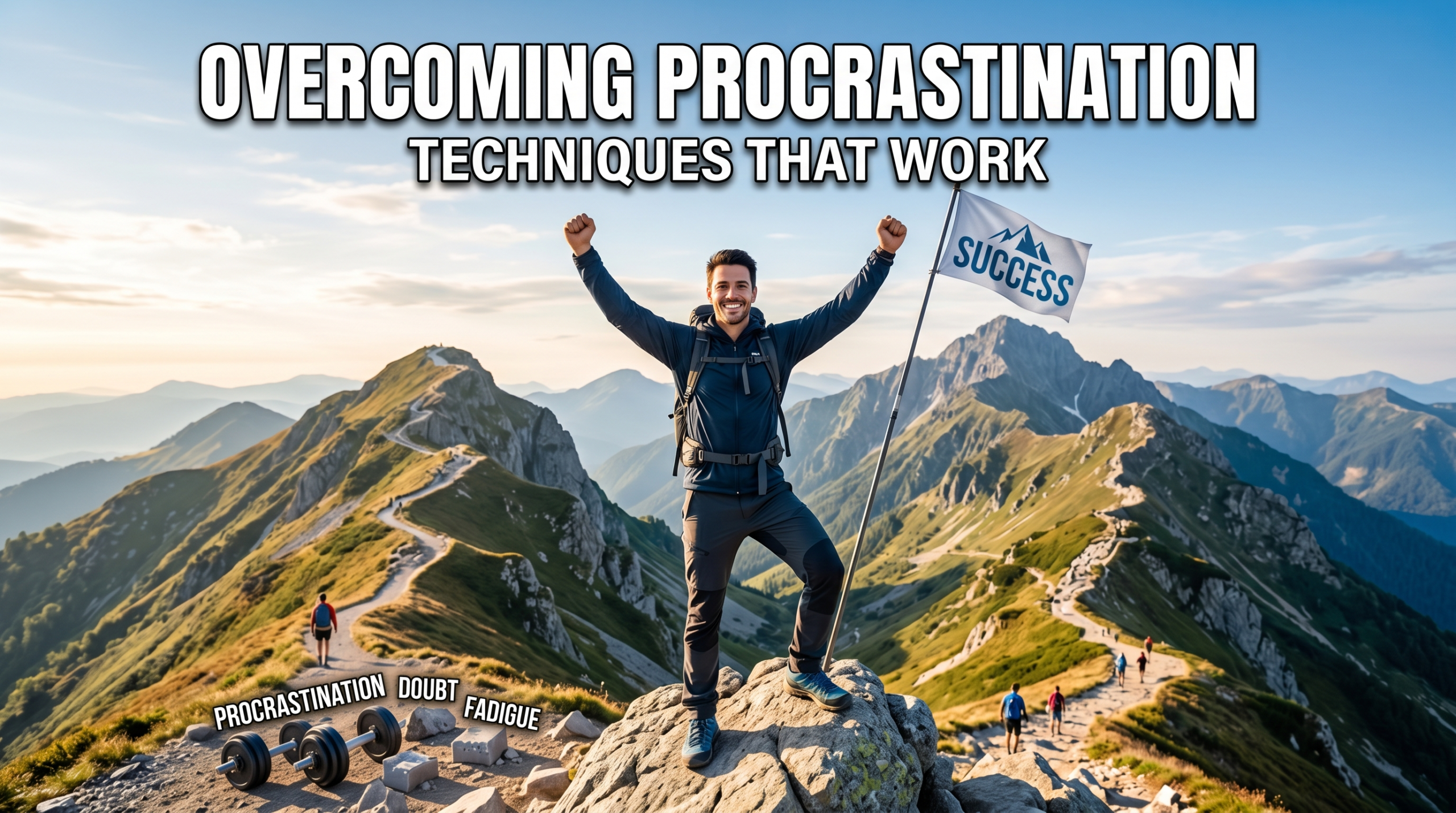
Overcoming Procrastination: Techniques That Work
Simple Steps to Start Beating Procrastination
The hardest part is almost always just getting started. Here are some steps I use when I’m feeling stuck, which just about anyone can try:
- Break Tasks into Smaller Parts: When a task looks massive, splitting it into smaller, more manageable pieces makes it a lot more inviting. For example, starting a big assignment? Note down easy first moves like “open a new document” or “write a header.”
- Set Short Deadlines: Give even those smaller steps a time frame. Using a timer or alarm on your phone builds a sense of urgency and keeps you focused instead of letting your mind wander.
- Remove Distractions: Clear off your desk, close distracting apps, and, if you need to, change your location to somewhere you won’t get pulled off task as easily. I put my phone out of arm’s reach for extra help.
- Promise Yourself a Reward: Little rewards can be powerful. A coffee break after 20 focused minutes or a five minute walk can really lift your motivation.
- Use Accountability: Let someone know you’re working toward something, whether that’s a friend or your own future self with a note or email. Knowing someone is checking in (even just you) pushes you to keep going.
Mixing two or three of these small changes together helps build momentum. Sometimes, just doing a single, tiny step gets you into the right headspace, and things start rolling naturally from there.
Common Challenges with Overcoming Procrastination
No matter how solid the game plan, there are always a few bumps in the road. Here are some common hurdles, along with guidance on how I handle them:
- Perfectionism: Getting bogged down by details often means things never get finished. I say to myself, “done is better than perfect.”
- Fear of Failure: Worrying about mistakes is common. Shifting the focus to making progress instead of flawless results cuts down the pressure a lot.
- Too Many Tasks: A jam packed to do list can be overwhelming. I find that prioritizing and using a “top three” list keeps life manageable and helps me spot what actually matters.
- Lack of Motivation: If a task seems dull, pairing it with something more enjoyable, like listening to music or a treat afterward, lights the way forward.
When Perfectionism Slows You Down
I’ve definitely fallen into the trap where I refuse to consider something finished unless every detail is polished. To battle this, I set a “draft” deadline. Telling myself it’s okay to call my work a draft and keep pushing ahead helps me finish much faster.
When Distraction Is a Big Problem
My original workspace was right next to the TV, a terrible idea for anyone trying to work. Now, I go somewhere with no entertainment or noise. For digital distractions, I use website blockers so I’m not compelled to check social media “just for a second.”
Lack of Energy
Low energy can kill productivity fast. I tackle lighter tasks first or throw on music that makes me feel lively. Sometimes stretching or taking a lap around the block makes all the difference.
Related Article
Methods and Tools to Beat Procrastination
There are all sorts of tools and methods for fighting procrastination, but here are the ones I go back to time and again:
- Pomodoro Technique: Work in 25 minute bursts, then break for five minutes. After four rounds, take an even longer pause. The time limit keeps things feeling doable. Tons of free apps help you stick with it.
- Task Batching: Doing similar tasks in groups cuts down on lost focus from switching gears every few minutes.
- To Do List Apps: Helpful tools like Google Keep, Todoist, or Trello keep all my tasks neat and accessible with zero paper mess. And let’s be real, paper lists still work great for fast morning planning.
- Two Minute Rule: If something will take less than two minutes, do it now. It’s perfect for emails, quick phone calls, and paying that lingering bill.
Try switching things up until you find out what fits you best. Rotating between two or three of these tools can make boring work feel fresh, especially if you’re in a slump.
Real World Strategies That Actually Work
A few of the most helpful tips I’ve picked up came straight from friends and online groups. Here are some standout moves you might want to try:
- Public Commitment: Telling others about your goal, whether on social media, messaging a friend, or even in a group, makes it tougher to let yourself slip.
- Visual Progress Trackers: Marking off tasks on a wall calendar or using stickers shows your progress in a satisfying way.
- Start with the Easiest Task: If motivation is at rock bottom, start with what takes the least effort. You’ll gain enough momentum to carry you through bigger stuff.
- Set Clear “Stop” Times: Don’t just choose when to start work. Pick a stop time too. This makes starting less intimidating, and helps you focus when your working window is limited.
These moves don’t stop with office work. I use them for chores, fun projects, errands, and anything else I tend to avoid.
Extra Tips and Motivators
Sticking with any new habit can be difficult. To help, try these extra motivators:
- Celebrate your wins, no matter how small. Finishing a task you’ve put off for a week is a reason to feel good!
- Create visual reminders of your goals, like sticky notes, wallpapers, or even written affirmations, to keep your eye on the prize.
- Keep an “accomplishments” list. Each time you finish something you’re proud of, write it down. Seeing your progress is encouraging.
- Share your challenges and wins with a friend or accountability buddy. You might pick up useful tactics, and it’s nice to know you’re not the only one tackling procrastination.
Above all, give yourself permission to mess up. Overcoming procrastination isn’t about never slipping up, but about making steady, determined progress.
Frequently Asked Questions
Here are answers to some of the most common questions people have about beating procrastination:
Q1: Why do I still procrastinate even when I know it’s bad for me?
Answer: Procrastination often comes from emotional triggers like fear, anxiety, or just plain stress around the task. Even when you know better, these feelings can be tough. Addressing what’s pushing you to wait or changing your thoughts about the task is key, as is breaking the work down into sizes that don’t seem impossible.
Q2: How can I stop procrastinating on things that really matter?
Answer: Focus on the outcomes, what will you gain by doing it? Remind yourself of the positive results regularly. Rewards and accountability buddies are great for those essential but tough tasks.
Q3: What’s the best quick fix for procrastination?
Answer: Try the two minute rule. If a task will only take two minutes, tackle it right away. Or commit to five minutes on any bigger job. Starting is often the hardest part, and this helps you break through that barrier.
Q4: Are there any apps that can help fight procrastination?
Answer: Absolutely! Check out Forest, Pomodone, Focus Booster, or classic to do list apps. These use fun timers, rewards, and automatic task sorting to nudge you along.
Q5: How do I stay motivated when I keep losing interest?
Answer: Change your environment, try background music, or set little challenges for yourself, like finishing a job before your coffee cools. Mix boring tasks with things you do enjoy to keep your momentum up.
Q6: What should I do if I keep putting off boring or repetitive tasks?
Answer: “Eating the frog”, tackling the toughest job first thing in the morning, works wonders. Batch similar tasks together, or make it a game by tracking points or giving yourself mini rewards.
Q7: How long does it take to break the habit of procrastination?
Answer: It varies from person to person, but building a new habit can take anywhere from a few weeks to a few months. Go easy on yourself and focus on steady progress instead of an instant glow-up.
Q8: Is procrastination always a bad thing?
Answer: Not necessarily. Sometimes, stepping back gives your mind more space for new ideas or eases your stress. The trick is to tell when procrastination is helping versus when it’s getting in the way of your goals.
Related Article
Summary
The ride to overcoming procrastination looks different for everyone. By tracking down your own triggers, putting proven tips like the Pomodoro Technique and two minute rule to work, and cutting out distractions, you can set yourself up to finally move forward. It’s important not to be too hard on yourself, everyone struggles with this from time to time! Stick with your process, reward your small wins, and keep your goals front and centre. Soon enough, those tasks that once felt overwhelming can become totally manageable.
Many thanks for reading this article on Overcoming Procrastination: Techniques That Work. Now go and put these steps into action and beat your procrastination. You will amazed at the fast progress you can make. If you have any questions at all, please leave them in the comments box below.
All the best!
Eamon