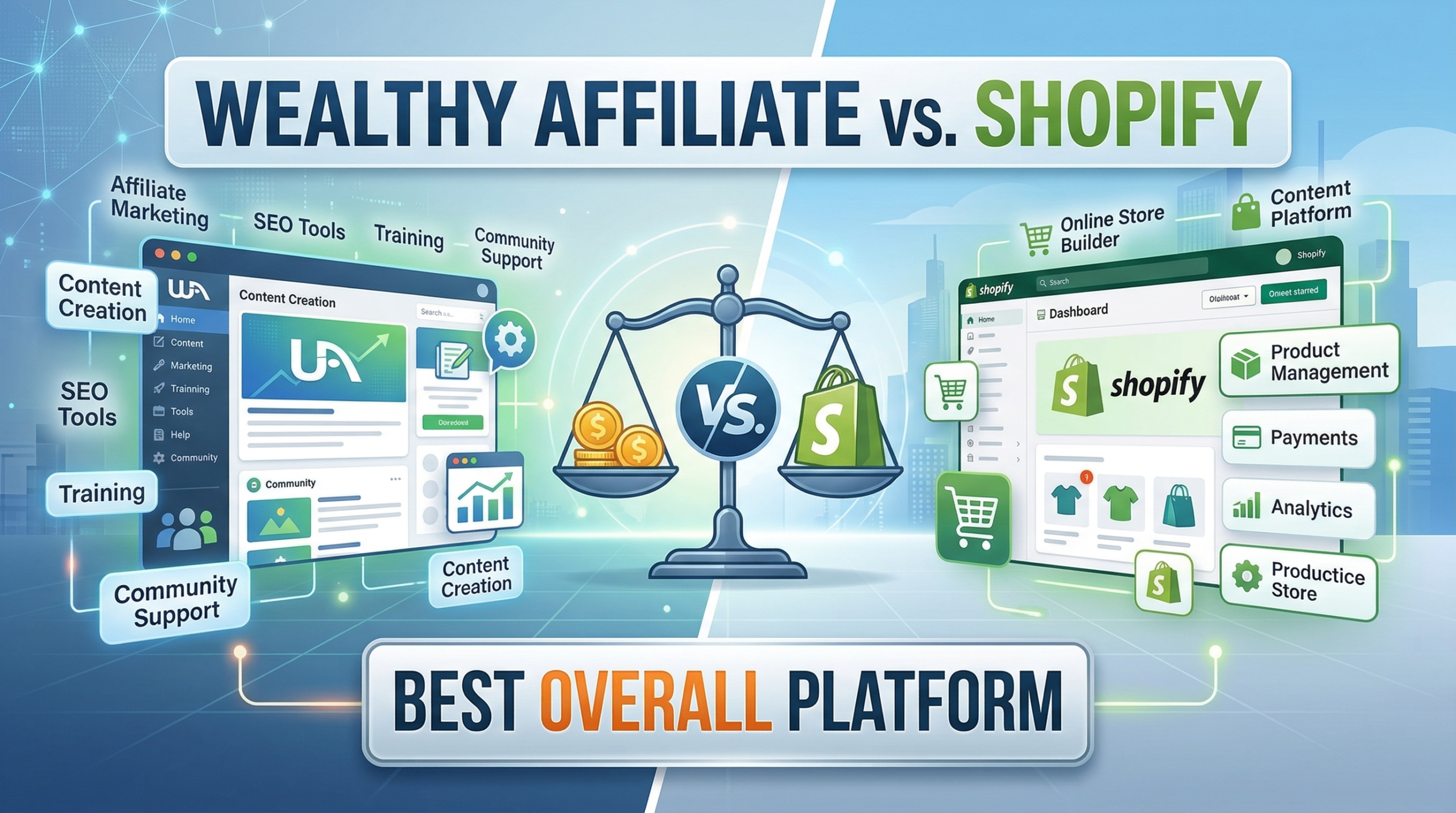

If you’re thinking about building an online business, two names that pop up a lot are Wealthy Affiliate and Shopify. They both promise to help you create income online, but the way they do it is really different. Wealthy Affiliate focuses on affiliate marketing and all the training and tools you need to start a niche website, while Shopify is all about helping you set up your own ecommerce store and sell products.
I’ve spent time with both platforms, and I get a lot of questions about which one is “better.” The answer depends on your style and the goals you have for your business. I’m breaking down everything from features and pricing, to ease of use and who each is best for, so you can make a more confident pick.
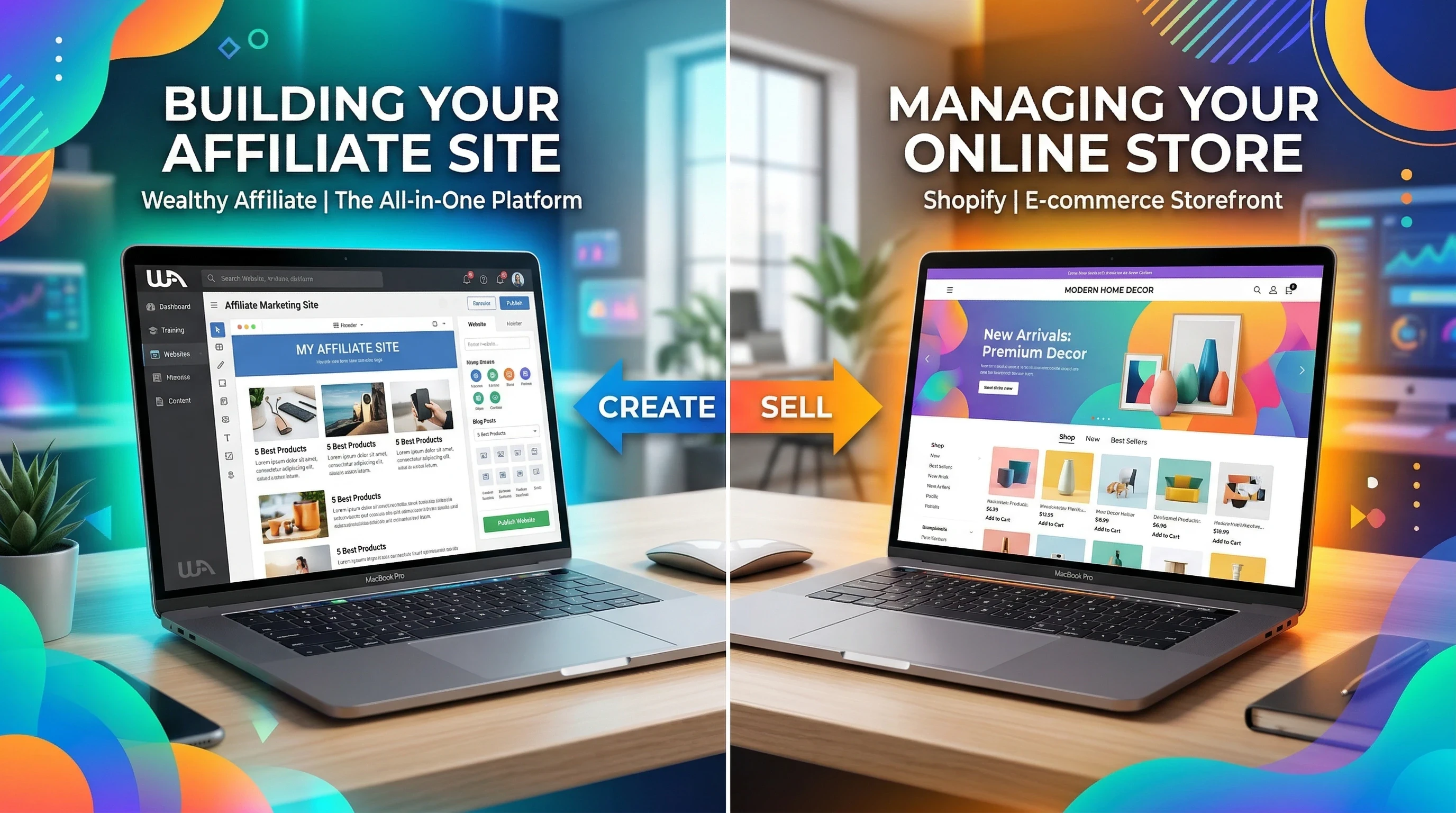
Introduction to Wealthy Affiliate and Shopify
What is Wealthy Affiliate?
Wealthy Affiliate is a platform for building affiliate marketing businesses. It’s basically a hub for training, web hosting, keyword research, and a big community that helps you learn how to make money recommending other people’s products. Instead of selling physical stuff, you’re earning commissions when people use your links to buy things from other companies.
Who is Wealthy Affiliate For?
- Anyone new to online business who wants step by step training and coaching
- People more interested in digital marketing than shipping products
- Those who want to earn passive income by creating websites and blogging about their favourite things
Wealthy Affiliate Pros & Cons
Pros:
Comes with loads of beginner friendly training
All in one. Hosting, keyword tools, support, and a helpful community
Start learning with a free starter account
Cons:
Limited for people who want to sell their own physical products
Training focuses mostly on affiliate marketing, not ecommerce
Some features feel a bit basic compared to specialized tools
What is Shopify?
Shopify is the go to platform if you want to run your own online store. It gives you all the tools for building a storefront, managing orders, processing payments, and tracking inventory. You can sell almost anything, physical products, digital downloads, custom merch, or even print on demand items. No coding skills needed, which is pretty handy.
Who is Shopify For?
- Entrepreneurs who want to build a full featured ecommerce store fast
- People with products to sell, whether they make them or source them from suppliers
- Anyone interested in dropshipping or print on demand as a side hustle
Shopify Pros & Cons
Pros:
Easy to use drag and drop store builder
Full set of ecommerce features for growing a real brand
Big app store for customizing your store and automating tasks
Cons:
Not ideal if you want to earn money through affiliate marketing (they’re all about selling your own stuff)
Costs can add up once you need extra apps
No major built in training for beginners. You’ll pick things up as you go
Platform Feature Comparison
Getting Started & Training
Wealthy Affiliate: Training is a huge part of Wealthy Affiliate. From beginner walkthroughs to advanced SEO, you’re guided step by step. There’s a community where experienced members help you out, plus weekly live classes. This works well if you’ve never built a site and want someone to walk you through everything.
Shopify: Shopify is all about launching your store quickly. They have help docs and a simple set up, but less focus on structured training. You mostly learn by using the platform and experimenting or searching their support centre.
Good For:Wealthy Affiliate if you like guided learning, Shopify if you want to jump in and experiment.
Website Creation & Design
Wealthy Affiliate: You use their built in website builder (WordPress based) to make a content site, usually focused on blogs and reviews. Design options are decent, but not as flashy as Shopify.
Shopify: Shopify really shines for stores that need a clean, modern look. Tons of themes (free and paid) help your shop look pro from day one. The builder is all drag and drop.
Good For: Shopify if branding and design matter. Wealthy Affiliate for straight forward blog or review sites.
Selling Methods
Wealthy Affiliate: No built in ecommerce tool. The focus is on content that ranks in Google and sends people to other sites (Amazon, other affiliate programs).
Shopify: Full store functionality out of the box. Digital, physical, subscriptions, dropshipping, and more. Sell on social media, marketplaces, or even in person with Shopify POS.
Ongoing Training & Community Support
Wealthy Affiliate: Super active forums, private messaging, and a culture of members answering each other’s questions. New lessons and webinars come out weekly.
Shopify: Decent help centre plus a large user community and lots of guides, but less “live” support unless you pay extra. Customer support is available, but not really focused on coaching.
Growth Tools
Wealthy Affiliate: Keyword tool, SEO plugins, and website monitoring help you spot opportunities in affiliate marketing.
Shopify: App store has everything from email marketing to upsells and retargeting ads. Most of what you want to add, there’s probably an app for it.
Cost & Value
Wealthy Affiliate: Free starter plan, then a monthly subscription gives you web hosting, training, and tools. No transaction fees or hidden charges. You will pay extra for a domain name.
Shopify: Monthly plans for your store, plus transaction fees and sometimes extra payments for premium themes or addons. It’s easy to underestimate how much you’ll spend if your store grows fast.
Pricing Breakdown: What You Actually Pay
Here’s what you’ll find for entry level pricing:
- Wealthy Affiliate: Free starter account. Premium plan runs around $49 per month with discounts for yearly payments. That includes hosting for several websites, training, keyword research, support, and community access. Premium Plus plan is currently $99 per month.
- Shopify: Basic Shopify plan starts around $39 per month (plus processing fees and extra for certain apps or themes). Higher plans with advanced features climb up from there.
If your business is content and affiliate focused, Wealthy Affiliate is budget friendly. Especially for beginners. But if you really want a polished store and full ecommerce abilities, Shopify’s price can be worth it.
Ease of Use
- Wealthy Affiliate: The platform is built for beginners. Everything from picking your niche to launching your website is laid out as a guided lesson. If you like a clear path where you tick each box as you go, this is pretty reassuring.
- Shopify: Store setup is simple, but there’s so much you can customize that it’s easy to get lost. Still, you can launch a working store in just a few hours once you’ve picked your products and settled on a layout.
How Both Support Your Business Goals
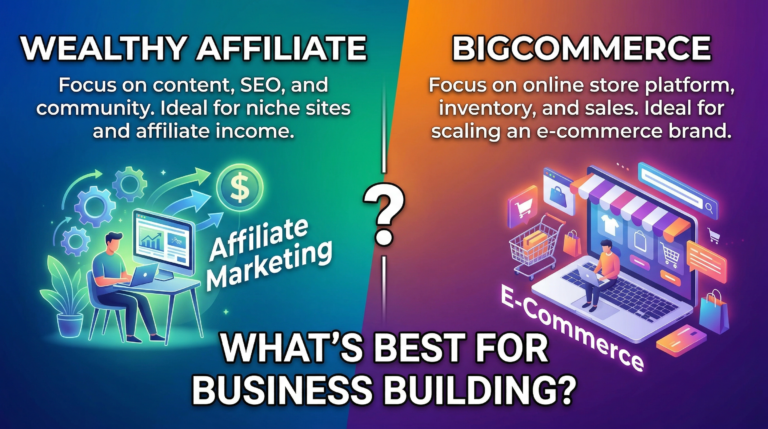
- Wealthy Affiliate: If you want to build up passive income and you prefer writing content, Wealthy Affiliate’s focus on evergreen niche sites is really helpful. It’s a slower path, think months to see results, but there’s long term potential for stable earnings without inventory headaches. Top 5 Mistakes New Affiliate Marketers Make.
- Shopify: Great fit if you already have products to sell or you want to build a brand. You control everything, set your prices, and can experiment with marketing and sales strategies. You can see results faster if you put effort into social media and ads. Shopify Review: Still Worth It In 2026?
User Feedback: What Real Users Say
- Wealthy Affiliate: Beginners love the training and supportive vibe. Some wish for even deeper advanced lessons as they grow. Users really appreciate not needing to pay for lots of extras early on.
- Shopify: Store owners love the reliability, speed, and huge ecosystem. Complaints usually focus on monthly costs, transaction fees, and the rabbit hole of extra addons. Overall, users are happy when their shop takes off, but getting traffic and customers is a learning curve.
- Overall Reputation:
- Wealthy Affiliate is known for community and training. Shopify is trusted for ecommerce power and flexibility.
Which Platform is Best for You?
Bigger question: Do you want to focus on affiliate style content (recommend and earn) or do you want to build a store (create and sell)? Both paths can help you reach your business and financial goals, but the way you get there is different. Pick Wealthy Affiliate if you:
- Enjoy content writing or reviewing products you believe in
- Prefer not to deal with customer service, shipping, or inventory
- Like having an all in one platform with strong support and guidance
- Pick Shopify if you:
- Have products or want to run your own online store and brand
- Love the idea of controlling your business end to end
- Feel comfortable learning as you go and using various apps
I’ve seen people succeed with both, and both have helped users reach enough income to quit jobs or build life changing side hustles. The best pick is the one that matches the business style you’ll be motivated to stick with for the long run. Both have a learning curve, but both give you real opportunities if you put in the work.
What experience have you had with Wealthy Affiliate or Shopify? Drop your thoughts below or share your story; always interested to hear from others who’ve been in the same spot!

Summary
For those still on the fence, remember, both Wealthy Affiliate and Shopify offer free trials or starter accounts. You can try each to get a real feel before committing cash and time. Take a look at the platforms, check out their communities and sample training or help docs. This hands on approach makes choosing the best fit a lot easier.
Over time, some entrepreneurs even blend both models. Start off with affiliate marketing while learning SEO and building traffic, then roll out your own products via Shopify later. It’s possible to mix strategies to play to your strengths and open up more income streams. Whatever you pick, the real game changer is consistency and getting started. Good luck!
Many thanks for taking the time to read this article Wealthy Affiliate Vs Shopify: Best Overall Platform. I do hope that it has given you the right information to make an informed choice between the two business builder platforms.
All the best!
Eamon