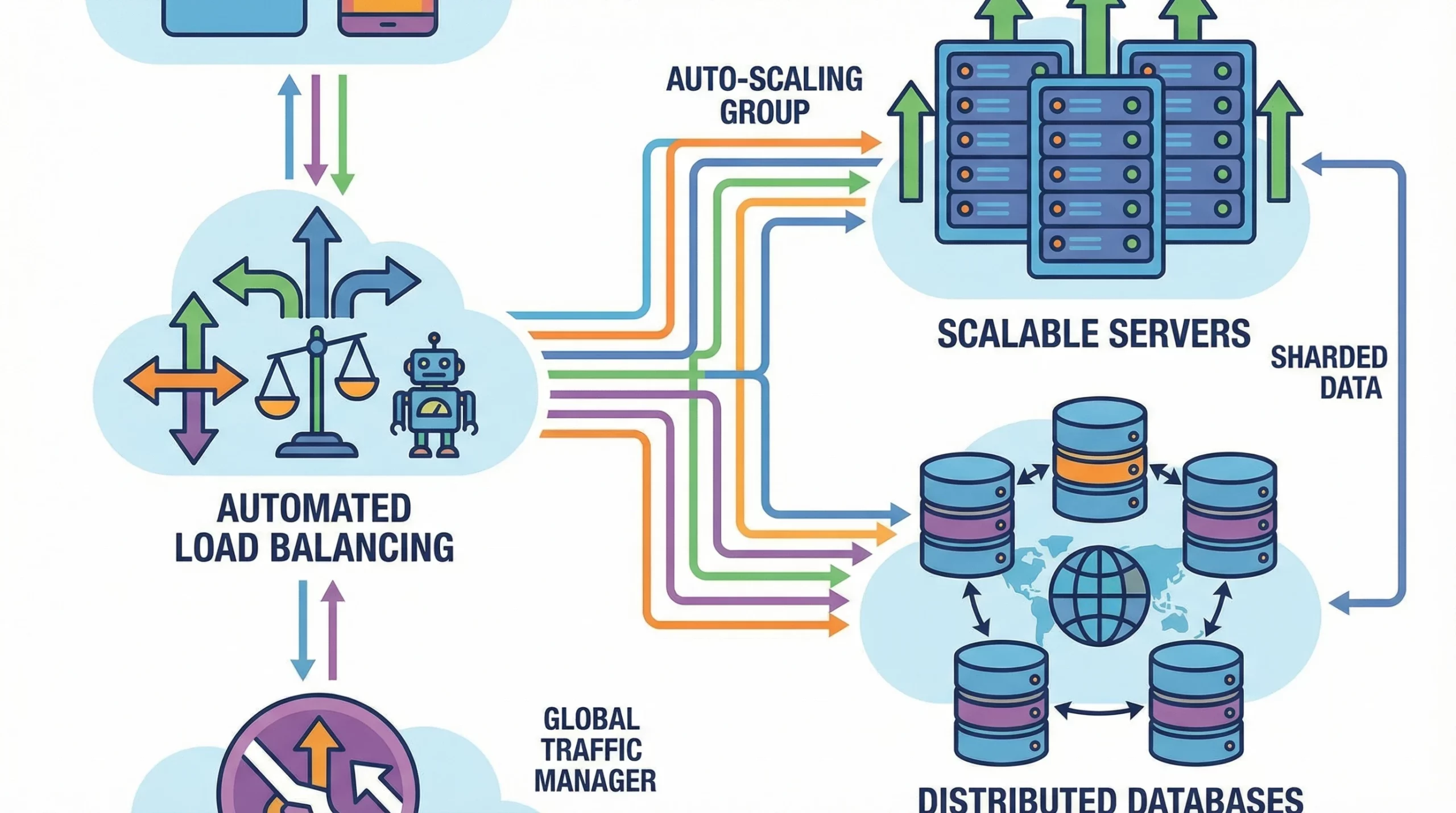

Planning For Scalability From Day One of your business can be a game changer when you’re building something you hope will grow. Whether it’s a tech start up, an online store, or even a personal blog. When things start to gain traction, the last thing you want is to scramble because your foundation isn’t built to handle extra traffic, data, or customers. Based on my own experiences, I want to share what I’ve learned about making sure your idea doesn’t fall flat as you go from day one to something bigger and better.
What Scalability Actually Means for Your Project
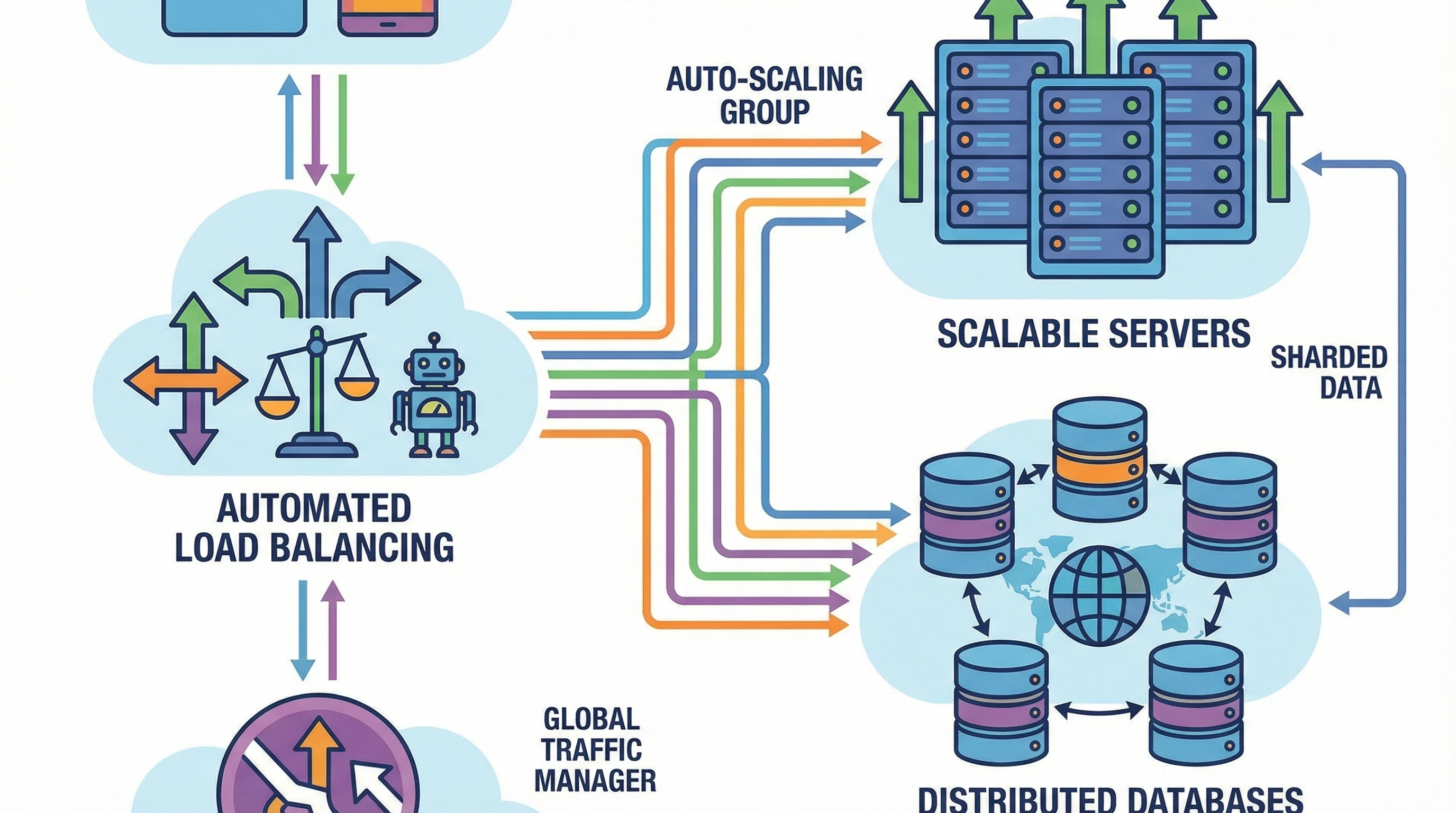
Scalability is all about being primed for growth. It means you can handle more users, transactions, or data smoothly, without needing a complete overhaul every few months. If your website, app, or system runs well with five users or five thousand, you’ve got a scalable setup. Getting this right from the start saves a lot of time, money, and headaches later on.
In tech circles, companies talk about scaling frequently, but it’s not just talk. A scalable design works whether you have three customers or three million. Consider the businesses that grew quickly because they were prepared to scale. Netflix, for instance, began as a DVD rental service, but their systems were ready when streaming exploded in popularity. Airbnb structured their platform to accommodate huge swings in demand, making it vital for their hosts and guests around the globe to get a smooth experience no matter when or where they logged in.
Core Principles for Scalable Planning
I always stick to a handful of basic principles when laying the groundwork for any project I hope will grow. These tips aren’t only for engineers. Anyone building an online presence or business will benefit from them:
- Keep Things Modular: Aim for building blocks that can be swapped or expanded without disturbing the rest of your setup. When one part needs to scale, you won’t be forced to redo everything.
- Automate What You Can: Manual processes are fine at a small scale, but automation is a lifesaver when demand goes up sharply. Set up automatic backups, deployments, or responses from the beginning for a smoother road ahead.
- Prioritize Flexibility: Choose tools and services that are easy to upgrade or expand. Cloud hosting, opensource software, and APIs make adjusting to new needs simple as growth comes your way.
- Loose Coupling: Try to keep systems and services slightly independent. If parts of your setup don’t depend heavily on each other, it will be easier to update and scale moving forward. This is smart both for tech choices and business processes.
Building Blocks: Picking Scalable Technology from the Start
Your tech stack forms the backbone of your project’s scalability. Picking the right tech early on truly matters. Here are options that have worked well both for me and plenty of others:
- Cloud Infrastructure: Services like AWS, Google Cloud, or Azure let you quickly add storage or more computing power. These platforms are worth checking out if you expect any growth or periodic traffic spikes.
- Managed Databases: Hosted database services will grow as you do, and many handle maintenance and backups, giving you peace of mind (and better sleep).
- Frameworks Built for Growth: Choosing web frameworks and languages with strong community backing and versatility means your project is less likely to be stuck with obsolete tech or have trouble finding support in the future.
While it’s tempting to go super cheap and basic at first, a little upfront investment in research (and, if possible, in tech) will save you massive amounts of time and money when things get busier. For specific recommendations, check out resources like Martin Fowler’s ideas on modern software architecture or AWS architecture best practices.
Step by Step: How to Plan for Scalability Before Launch
Readying your project for growth isn’t just about picking the right tech. It’s a mindset. Here’s my playbook:
- Map Out Growth Scenarios: Picture what might happen if your usage suddenly doubled or tripled. Write out these “what if” moments to help spot where you’ll hit limits first.
- Break Down the Architecture: Go for a setup that can expand piece by piece. For example, split the web front end from the database, so you can upgrade either one as needed.
- Test with Simulated Loads: Tools like JMeter and LoadRunner let you stress test your system by hitting it with heavy, fake traffic. See how it handles far more than your daily average. You’ll get clues on where to smooth things out.
- Set Up Monitoring: Use real time alerts for any performance dips, slowdowns, or downtime. Catching issues early lets you fix problems before they multiply, keeping everyone happy.
- Review and Tweak: Even with a strong initial plan, regular checkups are crucial. Make reviewing your setup part of your routine every couple of months to catch bottlenecks before they become real headaches.
Challenges and Pitfalls to Watch Out For
Planning for scalability isn’t always a walk in the park. I’ve seen the same issues crop up time after time, especially with new founders and small teams:
- Underestimating Demand: Growth can happen faster than you think. If your project suddenly blows up and your systems can’t keep up, you’re likely to lose users fast. Make sure you build in a buffer and keep an eye on key metrics.
- Making It Overly Complicated Early: You don’t need an enterprise level solution on day one. Building an oversized setup can actually slow things down and cause needless headaches. Start with what you need, but leave plenty of room for upgrades.
- Forgetting Security: As you grow, so does your exposure to cyber threats. Locking down your systems and using best practices on day one saves trouble and keeps your users safe as the project expands.
- Handling Tight Budgets: Practical limits are real. But affordable solutions exist, especially with pay as you go cloud options and opensource resources. Put the focus on scaling the parts of your operation that matter most, and keep frills to a minimum. At least at first.
Budget vs. Growth
Striking the right balance between spending and future growth means making tough calls. Pay as you go cloud services and opensource tools can help you avoid overcommitting funds while still laying the groundwork to handle more users or orders in the future. Identify which features need to be rock solid from day one, and which can stay simple for now.
Technical Debt
Technical debt builds up when corners are cut or temporary solutions are put in place just to get started. Over time, this can slow down growth and make changes riskier. One trick! Document those quick fixes and key decisions as you go, so you’ll know which spots to revisit and beef up when you have time and resources.
Real Life Examples: How Teams Plan for Growth
Sometimes, real stories drive home how scalability works best. In one project I worked on, using serverless infrastructure from the start let us build fast and ramp up quickly. For example, a small ecommerce store can use the cloud to spin up extra processing power as orders surge during busy seasons. Without big upfront investments in hardware.
Another example is a community forum that started simple, with just the basics. Their modular approach meant they could add extra servers and enhance their database as more users joined, all without disturbing active members. You don’t have to create a mega corporate infrastructure on day one. Focus on a flexible setup that expands as you grow.
Frequently Asked Questions
I’m often asked similar questions by folks hoping to see their passion project or business scale up over time.
Question: Do I need to use the cloud to be scalable?
Answer: Cloud solutions are generally the most flexible and cost effective for scaling quick, but they’re not your only option. With the right planning, onpremise setups can work, but be prepared for more planning and higher upfront costs.
Question: How do I know when it’s time to upgrade?
Answer: Keep tabs on your usage dashboards. Most cloud and hosting services offer tools to show when you’re close to resource limits or hitting bottlenecks. That’s your sign it’s time to scale or tweak things.
Question: Is planning for scalability important for small businesses?
Answer: Absolutely. Even tiny shops or solo businesses can face sudden bursts of traffic or interest. A little preparation, using modular tools or cloud hosting helps avoid stress when you get your big break.

Perks of Scaling Early
Getting ready for growth has a bunch of upsides. You’re set to take advantage of sudden spikes in demand, moving quickly if the right opportunity comes around. Plus, stable systems mean everyone, users and team members, enjoys smoother sailing every day. Investors and partners are more excited about projects built on sturdy, scalable foundations since it shows you can handle success when it shows up.
If you aim for scalability early, you aren’t just playing catch up when growth arrives. You’re ready to enjoy the ride. That little bit of planning now means you’ll celebrate your project’s glow up instead of stressing over unexpected bumps.
Thankyou!
Thankyou so much for reading this article on Planning For Scalability From Day One. I really hope that you have found it helpful with your online business set up. Why not take a look at a related article? It’s titled Creating A Business Model That Works Online.
If you are seriously looking to start an online business for yourself, take a good look at how Wealthy Affiliate can help you to start and grow for the long term. Just click the banner above to go to the homepage. There, you can have a good look at what is on offer and the level of help and support available.
Or, you can read my full Wealthy Affiliate Review here. If you have any questions or just need some help and advice, please leave me a message in the comments box below. I will always reply to every message.
All the best!
Eamon