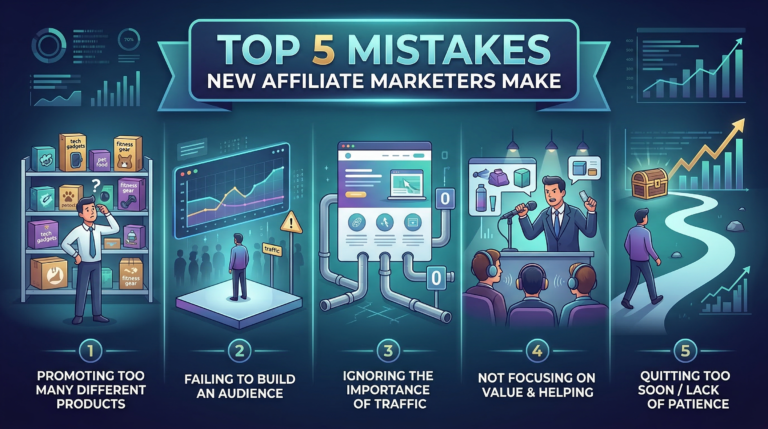


This article is titled How To Avoid Common Pitfalls In Online Business Planning. Running an online business can seem like an exciting way to earn cash or even build a brand you’re proud of. There’s a lot of flexibility and opportunity, but that does not mean it’s always smooth sailing. Planning is always where things kick off, but some traps can sneak up on you if you’re not paying attention.
From my own experience and after chatting with lots of folks who’ve started their own ventures, I’ve seen some repeat mistakes that can slow things down or even stall a new digital business before it gets any real traction. I’ve put together this guide to share where those common pitfalls show up in online business planning and how you can dodge them to set yourself up for smoother growth.

Where Planning Goes Off Track in Online Business
Nobody really sets out to make mistakes, but some of the most common errors crop up just from not seeing the bigger picture. It’s pretty common to focus on what you’re passionate about, get eager, and jump right in without having laid out a solid map. Online businesses come in all shapes. Ecommerce, digital downloads, subscription communities, consulting, and more. Each comes with its own twists, but some hiccups can show up across the board. Spotting these early can save a lot of money, time, and stress.
Overlooking research, ignoring competition, misjudging the time it takes, and not paying enough attention to budgeting are things I see people struggle with often. According to data from the U.S. Bureau of Labour Statistics, roughly 1 out of 5 new businesses fail within the first year, and nearly half don’t make it past the fifth. Many of those stumbles come down to issues that could have been avoided with a better plan.
Big Pitfalls That Pop Up (And How To Dodge Them)
Patterns emerge if you talk to entrepreneurs, read small business forums or dig into case studies. Here are the trouble spots you should look out for in your own planning:
- Not Defining Your Value: Trying to be everything to everyone usually falls flat. Spend time nailing down exactly what problem your business solves and who it solves it for.
- Skipping Customer Research: Just having an idea you like isn’t enough. It’s super important to listen to real people who could become your buyers. Not checking in with them can lead you down a path nobody wants or needs.
- Overlooking Your Competition: You might think your idea is brand new, but there’s almost always someone else in that space. Ignoring them means missing out on learning what works or where you can improve on what’s out there.
- Poor Budgeting: Many new businesses run out of cash because early plans did not include all the costs or they overestimated how much would come in at first.
- Getting Lost in Details: Perfectionism leads to endless tweaking, like obsessing over a logo for weeks, instead of actually getting to market and learning from real world feedback.
- Assuming Sales Will Come Automatically: A “build it and they will come” attitude rarely works in the noisy online world. You need an actual marketing strategy that matches where your audience hangs out.
First Steps To Stronger Online Business Planning
Laying out a practical plan is about asking the questions you might be tempted to avoid. This does not have to be a giant business document, but it should cover a few important basics. Here are the things I find super important to put on paper (or digitize in your docs):
- What are you actually offering? In a sentence or two, describe your core product or service.
- Who are your buyers? List out ideal customer details, including things like pain points, interests, and where they hang out online.
- How will they find you? This is your marketing plan at its most basic, will you use SEO, social media, paid ads, or email?
- What does it cost to run day to day? Include web hosting, subscriptions, ads, payment processing, and your own time.
- Who else is doing something similar? Identify a few competitors and what sets them apart or where you could win on quality, pricing, or convenience.
When you put these on paper, you set clear targets and responsibilities, making each stage much more manageable. It also allows you to circle back easily and adjust as your business grows, ensuring you’re never locked into a plan that isn’t working.
Spotlight On Typical Mistakes (And Ways To Get Around Them)
Mistake: Skipping Market Validation
One of the quickest ways to burn time and money is by launching something people don’t even want. I still remember spending months on a digital product only to learn too late that the ideal audience preferred a totally different approach. Survey tools, polls, social media questions, or even hopping on a call with potential buyers can quickly give you the feedback needed before going all in.
Mistake: Forgetting About Cash Flow
Getting caught up in the launch can make it easy to ignore everyday expenses. I use spreadsheets and basic accounting apps to track spending, but even just keeping a close eye on where money is coming in and going out really helps you steer clear of trouble. Many businesses look successful for a few months, but if they do not plan for slow periods or surprise costs, things can go south fast.
Mistake: Underestimating The Competition
It’s tempting to pretend you’re the first in your area, but competition simply means there’s a demand. Studying what others are doing in your space lets you spot opportunities to stand out, learn from their mistakes, and avoid repeating them.
Mistake: Chasing Perfection Instead of Progress
It can take weeks or months to polish every little detail. During that time, you’re missing real feedback and early revenue. The first version (even if it feels like a draft) is usually good enough to start testing; time in the market is more valuable than getting minor design tweaks exactly right.
Focusing too much on fencepost details can also distract you from the core aspects of the business. Instead, set a time limit for your initial build and be ready to ship even if it isn’t perfect. You can always improve as you go based on customer input and real performance data.
Useful Planning Tools For Online Businesses
Some tools and templates can make life much easier for anyone planning an online business. Here are a few free and paid resources I rely on:
- Business Model Canvas: This simple one page framework makes it easy to clarify your business idea, costs, and value without writing a massive plan. Check out Strategyzer’s version.
- Google Trends & Keyword Planner: Great for checking out trends and market demand before launching.
- Notion or Trello: Free project management tools that keep tasks and timelines organized as you work through your plan.
- Simple Budget Sheets: Even a spreadsheet template can save headaches by showing you how much you can safely spend each month.
- Canva: Handy for quickly pulling together eye catching marketing graphics and social images without a design background.
Real World Examples (And What I Learned From Them)
After years of trying out small online projects and chatting with other founders, there are a few stories that always stick with me:
- A friend launched a subscription box but did not research recurring inventory costs. When a sudden price hike hit, profits vanished overnight. Now, he always checks supplier stability first, so he’s never caught off guard again.
- One client asked me to help with their online store after sales flatlined. Turns out, they never surveyed their audience and built a product around assumptions, not reality. Surveys and honest feedback became their new go to strategy and they eventually saw steady, organic growth.
- I once spent weeks on a product launch page thinking design was everything. In the end, what people needed most was clear info and trust signals, not fancy graphics. Now my pages are simple and straight to the point, focusing on answering potential buyers’ top questions.
Every one of these examples drove home how critical research, customer validation, and laser focus on core needs are for launching and sustaining a thriving online business. As the digital world changes quickly, the businesses that listen first and respond fast are the ones that last.
Quick Tips For Smoother Online Business Planning
- Start Small: Plan for a small test launch so it’s less risky and you get feedback fast.
- Use Feedback Loops: Gather reviews, surveys, or emails constantly, so you’re always tweaking in the right direction.
- Stay Flexible: Online business changes fast. Be ready to pivot based on what customers, trends, and sales tell you.
- Keep Learning: Follow trusted blogs and online courses to stay up to date and avoid repeating common mistakes.
- Network Regularly: Connect with others in your field through online communities and virtual meetups. You’ll pick up valuable insights and might spot new opportunities that help your business grow faster.
Frequently Asked Questions
If you’re thinking of jumping into an online business or just started, you probably have a few burning questions. Here are a few I hear most often:
Question: How much should I invest into my first online business plan?
Answer: It depends on your goals, but many folks start with $500 to $5,000 for smaller digital projects. Focus on spending what you can afford to lose as you learn. Start small, test, and scale your efforts as you build confidence and see results.
Question: What’s one online business planning mistake that’s really common?
Answer: Skipping out on talking directly to your target buyers. Even quick online surveys can reveal insights you would never guess on your own.
Question: Is it better to focus on a side hustle before quitting a job?
Answer: Definitely. Most people find it a lot less stressful to start small and build confidence, skills, and income before taking the leap full time. This safety net allows for learning and adjustment without too much pressure.

Final Thoughts
Starting an online business is full of opportunity, but a strong plan makes the road a lot less bumpy. Avoiding the usual pitfalls comes down to honest research, simple planning, and staying flexible. Keep listening to your customers, watch the competition, and budget wisely. You’ll put yourself in a much better spot for long term growth and make the whole experience a lot more enjoyable along the way.
Remember, every successful online business started with a basic blueprint and plenty of learning along the way. So, don’t be afraid to adapt, adjust course, and keep working toward your goals.
Thankyou!
Thankyou so much for taking the time to read through this article on How To Avoid Common Pitfalls In Online Business Planning. I really do hope that you can take value from it. You might like one of my related articles which is Start A Membership Site For Vegan Cooking Enthusiasts.
If you are serious about starting an online business, I have something that can definitely help you. It’s an all in one business builder platform called Wealthy Affiliate. Have you heard of it before? You can build and host websites, create logos and AI images for your websites and blog posts, buy domain names and use keyword research tools for your content.
Take a look by clicking the banner above to go directly to the homepage, or you can read my full Wealthy Affiliate Review for all the details of what’s on offer. This could be exactly what you are looking for!
If you have any questions at all or just want some help and advice, please leave me a message in the comments section below. I will always reply to every message.
All the best!
Eamon