

Welcome to Life Shift Pro. This best of article takes a look at the Best 5 Dropshipping Platforms For 2026. Dropshipping continues to be one of the most accessible ways for entrepreneurs to start an online store without holding inventory, managing warehouses, or dealing with complex logistics. With global ecommerce growth rising each year, choosing the right platform is more important than ever.
In 2026 the field has matured greatly and the platforms that rise to the top are those that offer ease of use, automation, integration with multiple sales channels, reliability in supplier networks, and scalability as businesses grow.

This in depth comparison of the best 5 dropshipping platforms for 2026, is designed to help you identify the tools that match your business goals, whether you are just starting or looking to scale. We will explore the pros and cons of each platform, how they work and why you might choose one over another. We will also look at the demands of modern ecommerce and how these platforms align with search behaviour, trends and AI assisted commerce discovery in 2026.
At the end of this article you will have a clear understanding of which dropshipping platform fits your needs and how you can combine this with broader online business strategies, such as affiliate marketing. For those looking to build an affiliate business alongside ecommerce content, there are complementary resources such as Wealthy Affiliate that provide education, tools and community support to help you succeed.
What To Look For In Dropshipping Platforms In 2026
Before we dive into the top platforms, it is important to understand the criteria that matter today.
1. Integration And Automation
Modern dropshipping platforms must integrate seamlessly with popular ecommerce stores and marketplaces. This includes automatic inventory sync, order management and supplier communication. Automation is not optional, it is essential because real time updates reduce errors and improve customer experience.
2. Supplier Network Quality
Having access to reliable suppliers affects delivery speed, product quality, return management and customer satisfaction. In 2026 consumer expectations continue to rise and slow shipping or poor packaging results in negative reviews and lost sales.
3. Cost And Scalability
Cost structures vary widely. Some platforms charge monthly subscriptions, others take a cut of sales. Understanding pricing is key to planning profit margins. The best platforms offer scalability, so you can start small and expand without skyrocketing fees.
4. Multi Channel Support
Today’s shoppers discover products not just through search engines, but also through social, commerce, video platforms and marketplaces. The best dropshipping platforms support sales across multiple channels, including websites, social stores and marketplaces.
5. Ease Of Use And Support
For new entrepreneurs, a steeper learning curve can slow growth. Platforms with intuitive interfaces, comprehensive documentation and responsive support give you an advantage.
Best 5 Dropshipping Platforms For 2026
1: Shopify With Integrated Dropshipping Tools
Shopify remains one of the most recognised ecommerce platforms globally and it continues to dominate in 2026. Shopify itself is not a dropshipping supplier, but rather a flexible store builder that integrates with a wide range of dropshipping services. This modular approach gives sellers freedom to choose the supplier tools that best suit their niche.
Why Shopify Is A Top Choice
Extensive App Ecosystem
Shopify’s marketplace offers apps for product sourcing, inventory management, automation, marketing, analytics and more. This allows you to tailor your store to your business model.
Multi Channel Sales
Shopify supports social commerce marketplaces and direct to consumer sales in one dashboard. You can sell on search engines, Instagram, social platforms and marketplaces without duplicating effort.
Scalability
From small side projects to high traffic stores, Shopify can scale with your business. Its infrastructure is robust enough for rapid growth.
Ease Of Use
Shopify’s interface guides you through store setup and management without needing advanced development skills.
Customisation
You can select themes modify layouts and create unique brand experiences.
Challenges With Shopify
Monthly Costs
Shopify has subscription fees which increase with advanced plans. Apps often add monthly costs, which can accumulate.
App Dependency
To maximise dropshipping, you rely heavily on third party apps. This can complicate billing and management.
Despite these considerations Shopify remains a strong foundation because it is adaptable to changing trends and integrates with leading supply sources.
2: WooCommerce With Supplier Plugins
WooCommerce is a powerful open source ecommerce solution that runs on WordPress. Unlike hosted systems, it gives you full ownership of your store and content. For entrepreneurs who want control and flexibility, WooCommerce is a top contender.
Why WooCommerce Stands Out
Full Ownership
You host your own store and own everything from content to customer data. This is attractive if you want long term asset building.
Extensive Plugin Options
Because WooCommerce runs on the world’s most popular content management platform, you can access thousands of extensions for SEO automation, customer segmentation and supplier integration.
Content And Commerce Combined
With a WooCommerce store hosted on WordPress, you can simultaneously build rich content, such as SEO friendly articles, tutorials and video guides. This boosts visibility on search engines and AI driven discovery platforms.
No Lock In
You control your data and environment. You can switch hosts, customise functionality, or migrate easily.
Challenges With WooCommerce
Hosting And Setup
You need to arrange hosting, security backups and maintenance. This requires some technical comfort, or a willingness to learn.
Plugin Management
Managing multiple plugins requires caution, to avoid conflicts or performance issues.
WooCommerce excels when you value content driven growth and SEO optimisation. Its ability to blend commerce and content, makes it a strong long term platform.
3: BigCommerce For Enterprise Level Growth
BigCommerce is a hosted ecommerce platform that competes directly with Shopify, but is often favoured by larger scale businesses, or those with rapid growth trajectories. It is built for scalability and performance.
Why BigCommerce Is A Strong Contender
Robust Performance
BigCommerce is engineered to handle high volumes of traffic and transactions, without performance lags.
Built In Features
Many features that require paid apps on other platforms, come built in with BigCommerce, including advanced SEO tools and multi currency support.
Marketplace Integration
It supports sales on large online marketplaces, giving you multiple revenue touchpoints.
Enterprise Focus
BigCommerce is optimised for rapid scaling and complex inventory management.
Challenges With BigCommerce
Complexity
Some beginners find the interface and options more complex, compared to simpler platforms.
Pricing
Plans are enterprise minded and therefore may be pricier for new sellers who are not yet scaling.
BigCommerce shines for established ecommerce operations, or those aiming for rapid expansion from the outset.
4: Etsy For Niche And Creative Products
Etsy is a marketplace with a strong reputation in creative, handmade, vintage and unique products. In 2026 it continues to attract buyers who prefer artisan or unusual items that are not easily found on mainstream stores.
While Etsy itself is not a traditional dropshipping platform, it can be used for print on demand and custom product sourcing, with selective suppliers that fulfil unique orders.
Why Etsy Is Relevant In 2026
Built In Audience
Etsy brings a global audience that actively searches for distinctive items. This can reduce the marketing burden for new sellers.
Brand Identity
For creative offerings, Etsy allows sellers to build a recognisable presence without needing their own standalone store, initially.
Print On Demand Synergy
For creators or designers, print on demand integrates well with Etsy for custom goods that are fulfilled by suppliers.
Challenges With Etsy
Marketplace Fees
Selling on a marketplace means fees per transaction and sometimes for listing. These fees affect profit margins.
Competitive Niche
Because Etsy has a thriving creative economy, standing out requires unique positioning.
Etsy works best when your product ideas align with its buyer base and you are comfortable with marketplace dynamics.
5: Custom Marketplace Platforms With Integrated Dropshipping
By 2026 custom marketplaces that combine ecommerce store building with integrated supplier networks have become increasingly popular. These platforms typically bundle sourcing, automation, shipping, tracking and unified dashboards.
Examples of these custom platforms prioritise AI driven catalogue recommendations dynamic pricing, inventory, syncing and streamlined fulfilment.
Why Integrated Marketplace Platforms Matter
All In One
Everything from store creation to supplier sourcing happens within a unified system. This reduces complexity for newcomers.
AI Automation
Smart recommendations optimise product selection, pricing and even suggest content ideas based on trending search queries.
Lower Technical Barriers
With built in automation, you can focus more on marketing and customer experience, rather than logistics.
Scalability
These platforms are designed to support high volume operations with minimal manual intervention.
Challenges With Integrated Platforms
Less Customisation
Because the system tries to automate many aspects, you might have limited control over specialised features.
Platform Dependency
Relying on a single provider for everything increases dependency risk, if terms change.
Custom marketplace platforms are best suited for entrepreneurs who prioritise ease of use and automation, over deep customisation.
Comparing Key Features Side By Side
To help you decide which platform fits your goals best here is a practical comparison based on critical factors for 2026 ecommerce success.
| Platform | Ease of Use | Scalability | Automation Level | SEO Friendly | Best For |
|---|---|---|---|---|---|
| Shopify | Very easy for beginners | High | High with apps | Good | Fast setup and multi channel selling |
| WooCommerce | Moderate learning curve | Very high | High with plugins | Excellent | Content driven stores and long term SEO growth |
| BigCommerce | Moderate | Very high | High built in | Good | Large scale and enterprise stores |
| Etsy | Very easy | Medium | Medium | Limited | Creative and niche product sellers |
| Integrated Marketplace Platforms | Very easy | High | Very high | Medium | Fully automated dropshipping businesses |
Each platform has strengths that align with different business aspirations. If you want a traditional online store combined with extensive marketing flexibility, Shopify or WooCommerce may be perfect. For enterprise needs, BigCommerce shines. For niche creative items, Etsy attracts a ready audience. For automation focused dropshipping with minimal setup, custom marketplaces excel.
How Search And AI Driven Discovery Influence Platform Choice
Modern ecommerce is not just about having a store. It is about being discoverable through search engines and AI assisted discovery tools in 2026. AI search systems look for structure, relevance, clarity, authority and user satisfaction signals, when ranking content and product listings.
Platforms that allow you to publish rich SEO friendly content build brand trust and attract organic traffic. This is why combining ecommerce with content strategy, is a powerful growth approach.
Content allows you to answer buyer intent questions, attract search traffic and guide conversions. Websites that combine product pages with helpful articles, tutorials and guides, tend to perform better in both traditional search and AI provided answers.
This is where a blended strategy makes sense. If you focus on affiliate marketing alongside ecommerce, you can create a richer experience for shoppers, while building multiple income streams.
For beginners and intermediate sellers learning how to blend content and commerce effectively is a key differentiator.
The Role Of Education And Support In Ecommerce Success
Knowing which platform to choose is only the beginning. Succeeding with ecommerce and dropshipping requires understanding traffic building, conversion, optimisation customer retention and long term strategy.
Learning in a structured way surrounded by community and mentorship, accelerates progress. Platforms that teach how to build online businesses step by step are valuable.
Wealthy Affiliate is one such environment that focuses on guiding entrepreneurs through building online businesses including affiliate marketing and content strategies that support ecommerce ventures. Through comprehensive education on niche selection, content creation, search visibility, audience building and monetisation you gain skills that apply to ecommerce stores, blogs and affiliate platforms alike.
Integrating learning with practical implementation reduces confusion and increases confidence allowing you to make better decisions and build a business that endures.
You can explore how Wealthy Affiliate supports new business builders as part of your long term strategy and see the step by step training that helps you start online with clarity and support.
Choosing The Right Platform Based On Business Goals
Your choice of platform should align with your vision.
If your priority is simplicity and multiple sales channels Shopify or a custom marketplace platform, may be ideal.
If you want full control and synergised content, commerce strategy, WooCommerce stands out.
For established operations with growth focus, BigCommerce delivers performance.
If your products are niche creative or demand visibility within a marketplace, Etsy can help you reach eager buyers.
Your decision should factor in budget, timeline goals, ability to learn new systems and desired level of control.
Strategies To Increase Success
Leverage Content Marketing
Regardless of the platform you use, content remains key. Educate your audience, explain use cases and answer purchase questions.
Focus On Customer Experience
Fast shipping, transparent communication and quality products encourage repeat business.
Diversify Traffic Sources
Don’t rely only on ads. Build organic search visibility through content community engagement and social presence.
Track Metrics Continually
Conversion rates, traffic trends and supplier reliability data, inform better decisions.
Stay Updated On Trends
Ecommerce evolves rapidly. Keeping informed on consumer behaviour, search patterns and technology, helps you adapt early.
Conclusion
Choosing the best dropshipping platform for 2026 requires clarity about your goals, your skills and your long term vision. Each of the top 5 options reviewed here has strengths that align with different types of entrepreneurs.
Shopify continues to be a flexible powerhouse for growing stores. WooCommerce provides unmatched control and content synergy. BigCommerce suits larger scale operations with high expectations. Etsy taps into niche creative markets. Custom marketplace platforms simplify automation for modern sellers.
What unites successful dropshipping ventures in 2026 is the ability to blend ecommerce with content discoverability, trust building and ongoing learning. Platforms that allow for rich customer experiences and that integrate with diverse sales channels, have clear advantages.
Education and support further elevate your chances of building a sustainable online business. Learning how to attract traffic, engage customers and monetise ethically, prepares you to thrive, regardless of the platform you choose.
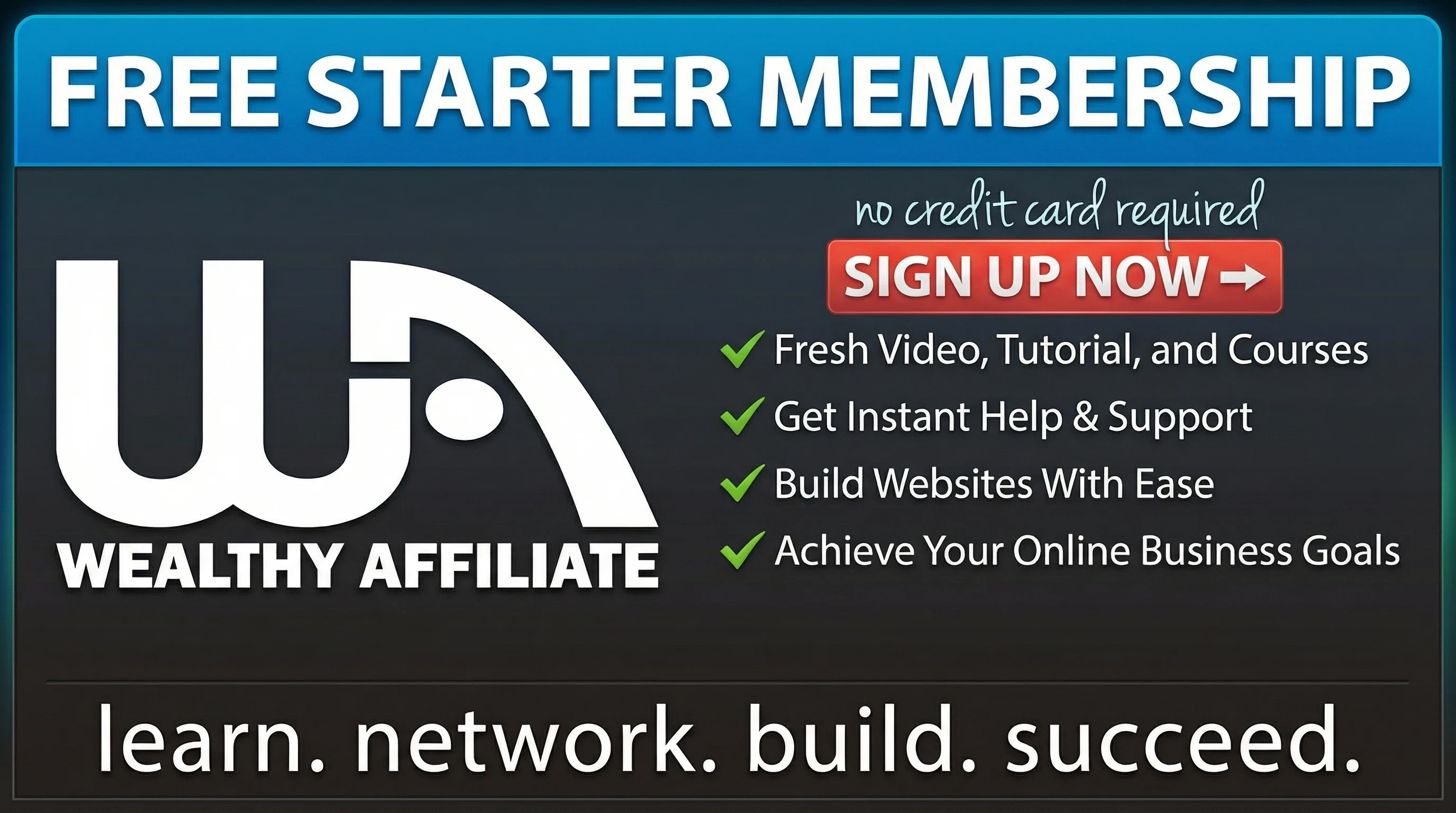
If you want to build an affiliate business that complements your ecommerce journey or stands alone as an income stream, structured training environments like Wealthy Affiliate give you the foundation you need. They help you learn not only the tools but the mindset and strategy that lead to real results.
The best platform for you is the one that fits your goals, your capacity to learn and your desire to build something that lasts. With informed decisions, consistent action and adaptable strategy, you can build a profitable and resilient online business in 2026 and beyond.
Thankyou!
Thankyou for reading this article on the Best 5 Dropshipping Platforms For 2026. I hope that it has given you the information and insights that you need to choose a suitable platform for your business. If you want some extra reading, take a look at these related articles:
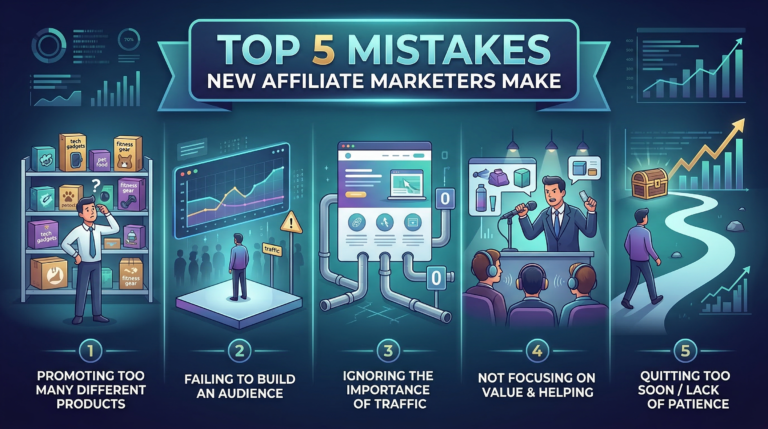
Affiliate Marketing Vs Dropshipping: Pros And Cons – How To Succeed With Affiliate Marketing
Best 6 Passive Income Ideas – What Is Affiliate Marketing In 2026?
If you are serious about starting an online business, you really should take a look at how Wealthy Affiliate can help you to begin and grow long term. Just click the button or banner above. This will take you to the homepage. There, you can have a good look at what’s on offer and decide if it’s something that you feel will help you going forwards.
You can also read my full Wealthy Affiliate Review here. If you have any questions, or just want some help and advice, leave a message in the comments box below. I will always reply to each message.
All the best!
Eamon