
Can you start a business with no money? Starting a business with no money sitting in your bank account sounds nearly impossible at first glance. I’ve been through the early stages myself, and I get how challenging it can feel. The truth is, you don’t actually need a big pile of money to kick things off. What you do need is creativity, resourcefulness, and a pretty clear action plan. Here’s my full realistic blueprint on how to start your first business from zero, even if you’re working with absolutely no start up funds.
Understanding Business Models That Don’t Need Cash Upfront
I notice a lot of people think all new businesses need a lot of equipment, inventory, or a storefront right from day one. Actually, many successful businesses get built on something you already have, like skills, knowledge, or a service you can provide.
Digital services, consulting, online tutoring, freelance writing and design, virtual assistant work, and content creation are all examples of what you can start with nothing but your own effort. Even dropshipping, affiliate marketing, or low cost local services (like dog walking) lean heavily on hustle and time, not cash. If you are interested in AI, take a look at this article: AI online Business For Beginners.
Key questions to ask yourself as you think through business ideas:
- What do you know, or what can you do well? From writing to tech support, teaching, or organizing, your current skills are often the fastest way to create value.
- Who do you know? Your personal network counts as a resource you can tap for early sales, collaborations, or referrals.
- Can you partner with someone or offer service in exchange for tools? Sometimes getting started is about trading skills or time for what you need, like asking a designer to help with branding in exchange for help with their taxes, for example.
Zero money does not mean zero resources. Your experience, connections, and even free online tools are all assets.
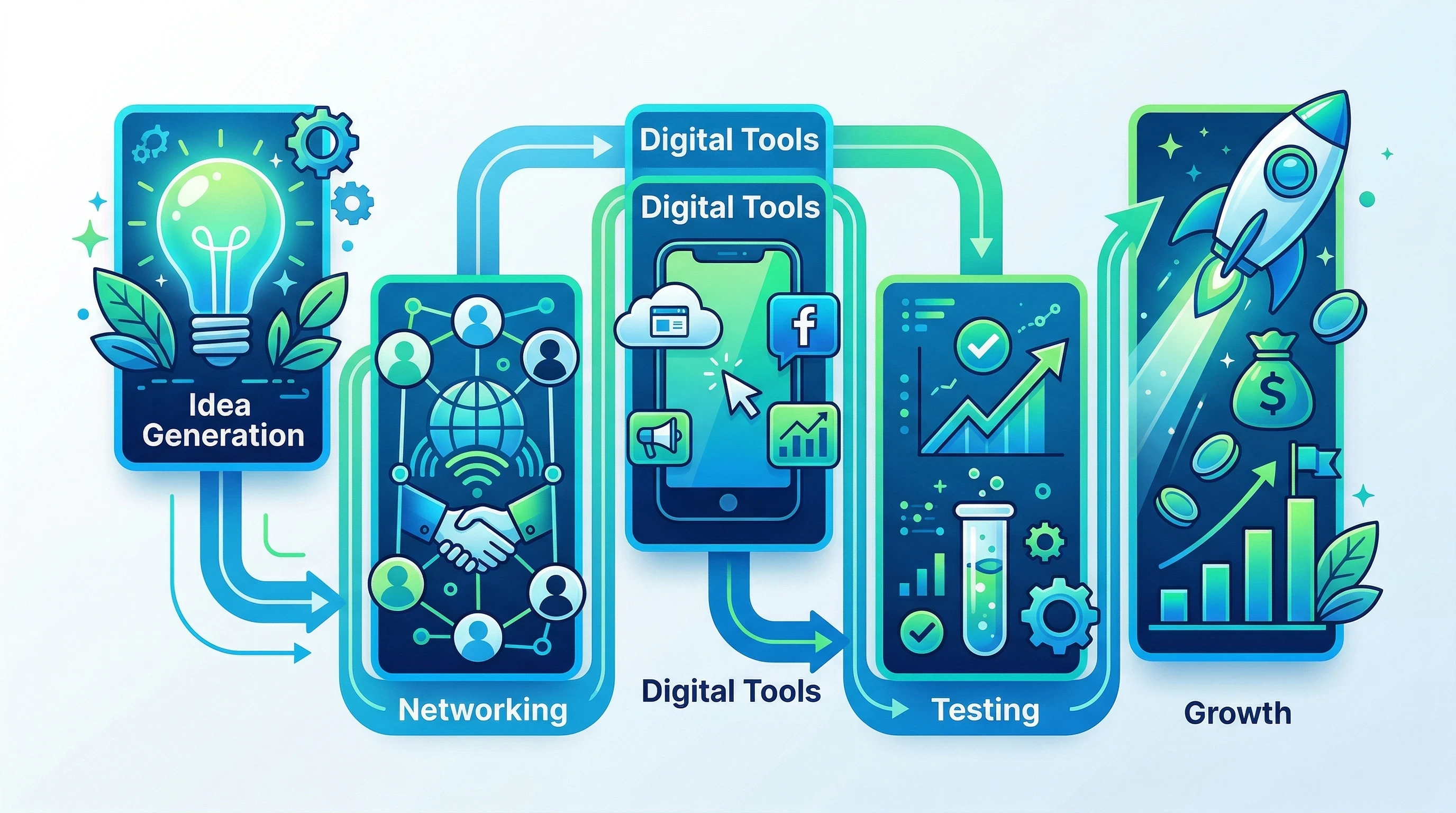
| Step | Action | Tools (Free) | Outcome |
|---|---|---|---|
| Pick a Skill | Use what you already know | ChatGPT, YouTube | Clear direction |
| Validate Idea | Check demand online | Google, Reddit | Proof people will pay |
| Create Offer | Package your service/product | Canva, Notion | Something to sell |
| Get First Customer | Reach out or post content | Social media, email | First income (£1–£100) |
| Reinvest & Scale | Upgrade tools & systems | Free → Paid tools | Consistent growth |
Step by Step Blueprint for Launching Your Business on a Budget
1.Pick An Idea That Needs No Funds
Go for businesses with no inventory, like freelancing, consulting, virtual services, digital products, or dropshipping. Avoid ideas that tie you up in manufacturing or expensive supplies early on.
2.Choose The Simplest Possible Business Structure
A sole proprietor or single member LLC makes paperwork a lot less stressful. Many places let you start a side business with just a basic filing or name registration.
3.Use Free Digital Tools
Free website builders, social media pages, email marketing platforms, and workspace apps help you look professional for zero cost. Website builders like WordPress.com and platforms like Canva or Google Workspace are super useful when you’re just starting out.
4.Offer Your Service to Friends and Contacts First
The earliest sales will almost always come from people who know you, so put the word out in your circles. Ask for honest feedback about your service, and use that to improve before you jump to a bigger market.
5.Trade, Barter, and Build Partnerships
If you need logos, product images, or web tweaks, offer your own skills or time in exchange. It’s surprising how much you can get done without ever opening your wallet. Logo and Image Creator.
6.Start Lean and Test
Don’t over complicate your first product, service, or offer. Test with a simple version in the real world to see what sells. Then tweak, improve, and scale slowly with your early earnings.
Each step helps you move ahead without needing savings or big loans. You learn by doing, and cash flow grows as the business starts to click.
Low Cost Business Examples Worth Considering
- Freelance Services – Writing, editing, video editing, translation, bookkeeping, digital marketing, and data entry jobs all use skills you can monetize from anywhere with a laptop.
- Online Education – Offering to tutor or teach a skill you know, through direct video calls or recorded content, can bring in early income and doesn’t require any investment apart from your time.
- Print on Demand or Dropshipping – Sell custom T-shirts, mugs, and art prints you design, without having to buy any inventory upfront. Everything is produced to order and shipped out by a third party.
- Social Media Management – Loads of small businesses need help growing followers or creating posts, and you just need to show a few good samples to land your first gig.
- Virtual Assistant – Helping busy professionals with scheduling, research, or email management also lets you work remotely with no start up fee.
What all these ideas have in common is that they can be started right away and expanded as you earn more. You don’t need fancy equipment, a fancy office, or even a website to land your first customer. Just bring value to people who need what you do.
The Free and Cheap Tools You Need
- Website Builders: WordPress.com, Google Sites, Wix, and Carrd let you set up a basic website to share your services in less than a day, all free at the entry level.
- Email Marketing: Mailchimp and Brevo both offer free plans that work great for small lists when you’re reaching out to your earliest fans or leads.
- Graphics and Branding: Canva’s free plan is enough to create logos, flyers, business cards, and social posts, even if you’re not a designer.
- Project Management: Trello or Google Sheets help you keep things organized and on track with no need for paid software.
- Invoicing: PayPal, Wave, and Zoho have basic free invoicing tools so you can get paid fast without extra costs.
These tools handle most big needs early on. I’ve found them to be super useful, especially when you’re figuring out your workflow and don’t want to suddenly lock into anything expensive.
Tips for Overcoming Common Challenges When You Have No Money
- Imposter Syndrome: It’s totally normal to feel like you’re not experienced enough, especially when you see others out there crushing it. Real progress comes from delivering what you promise, learning from mistakes, and growing over time. Everyone started somewhere.
- Getting That First Client: Sometimes, it helps to offer a discount or extra value just to get traction. After you deliver, ask your first happy customers for a testimonial or a referral to their network.
- Growing with No Marketing Budget: Organic traffic from social media, free online communities, and even search optimized content on a free website can get your offer in front of the right people without paying for ads.
- Time Management: Juggling your side hustle with another job, school, or family life can get stressful. I found blocking out consistent time each week and setting micro goals made a big difference.
- Legal and Business Setup: Local rules for business registration, taxes, or licenses can be confusing. Free advice from local business groups or Googling your city’s requirements usually helps clear things up quickly.
For instance, many entrepreneurs find that building spreadsheets for budgeting helps track cash flow and avoid overspending. Exploring free networking events online can lead to new connections that bring your business to the next level. Don’t be afraid to reach out to experts or mentors for tips, they often love sharing what’s worked for them, and some advice can save you a lot of time.
Growing Your Business When Money Finally Starts Flowing
The transition from zero to your first hundred or thousand dollars is really important. That’s when you see what customers actually want. At this stage, the smartest thing you can do is pour early profits back into the business. Maybe it’s a professional website, better branding, ads, upgraded equipment, or even your first contractor to help with the workload.
I always tell people, don’t go wild on expenses just because you made a few sales. Stay lean, keep learning what works, and grow at a pace you can manage. Bringing in steady revenue feels good at any level, and there’s nothing wrong with taking it slow so you can enjoy the wins as they come.
Consider joining free online communities, such as business forums or Facebook groups, where fellow entrepreneurs give and get feedback. These spaces can give a boost to your network and introduce new tools, legal tips, and marketing ideas tailored for start ups on a budget. The more you share and participate, the more you’ll stumble upon supportive peers and helpful opportunities. You might like to read this related article: What Is High Ticket Affiliate Marketing And How To Start?
Effort vs Reward Over Time
Frequently Asked Questions
Here’s a collection of the questions I get asked most often about launching a business when you have no money, plus some advice from my first hand experience.
Q1.How do I know if my business idea will work?
You never know for sure until people start paying. That’s why I like to launch with a simple version of my offer and see if real users want it. Adjust, improve, or even ditch ideas based on early feedback rather than guessing or overthinking.
Q2.Do I need a formal business plan?
A long business plan isn’t necessary for most zero budget start ups. Start with a simple outline. What do you sell? Who is it for? How will you deliver it? Write down your targets for the first three to six months. This keeps you focused and flexible.
Q3.How can I get clients if I have no marketing budget?
Networking is free and usually beats ads when starting out. Social pages, community groups, and even your own network are often enough to bring in those first few clients. Share your story, what you’re building, and be genuine.
Q4.What about legal issues or taxes?
Most cities have small business resources that can help you learn what’s needed locally. Free online guides and starter kits are worth checking out. Once you start making significant money, speaking with a tax advisor is a good next step.
Q5.Should I quit my job to focus on my new business?
No need to take that risk in the early days. A side hustle keeps stress low and bills paid while you figure out what works. Most people I know grew their business parttime until it made enough to feel comfortable taking it full time.
Q6.How do I balance my business with family, work, or school?
Set a consistent routine, even if it’s only a few hours a week at first. Communicate with those around you about your goals and why you’re doing this. Small, focused work sessions are often better than burning out after marathon efforts.
Q7.What’s the easiest business to start right now?
Service based businesses like virtual assistant work, freelance copywriting, or online tutoring can all be started quickly using skills you already have. Pick something people are already looking for that matches what you can do best.
Q8.Is it okay to start without a website?
Definitely. Many people begin with just a solid social media or LinkedIn profile, and only invest in a site after making their first sales or building a bigger audience. Get visible, get referrals, and build credibility from there.
Summary: Start Smart, Stay Lean
You don’t need anything but motivation, resourcefulness, and a focus on real customer needs to start a business with no money. Every tool you need to look professional and get those early wins is available either free or through simple bartering. Take everything one small step at a time, and you’ll surprise yourself at how far you can go without ever taking out a loan or seeking outside funding.
Building your business from scratch is much more about action and creativity than it is about finding money. Use what you’ve got, reach out for help when you need it, and focus on learning from your first customers. The adventure might look slow from the outside, but with every new sale or skill learned, you’re building something real and entirely your own.
Related Article
Many thanks for reading this article Start A Business With No Money: A Realistic Blueprint. I do hope that it has given you the confidence to go out there and start your own business at no cost or very low cost. If you have any questions or just need some advice or help, leave me a message in the comments box below. I will get back to you as soon as possible.
All the best!
Eamon