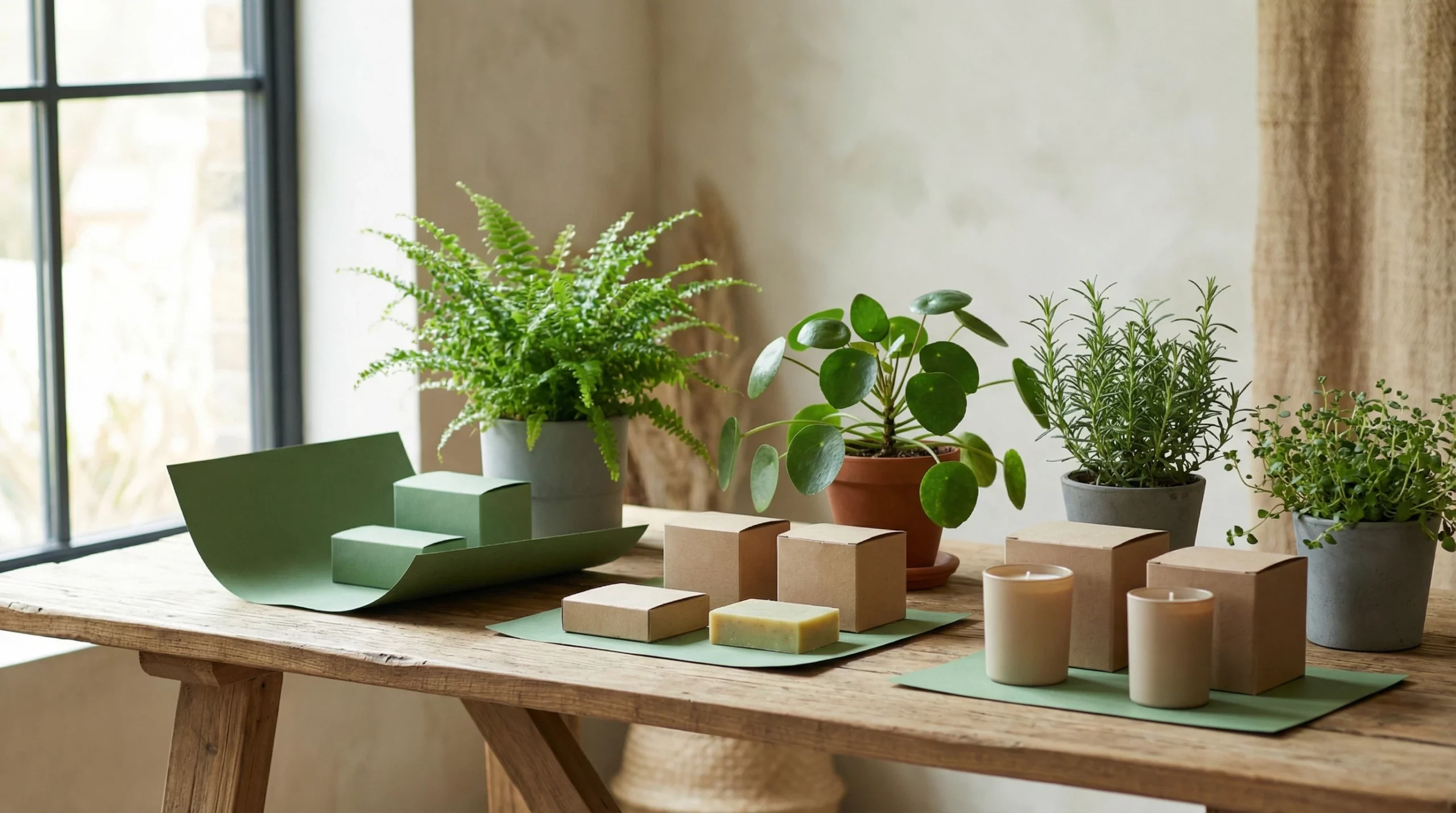

Building an online store for eco friendly products with the dropshipping model isn’t out of reach. Even if you’re starting from scratch. I run an online shop myself, and learning the ropes of sustainability and dropshipping has taught me a lot about making a difference while also earning an income. If you’re after a store that makes an actual impact on the planet and lines your pocket at the same time, sticking with a model like this is definitely worth considering.
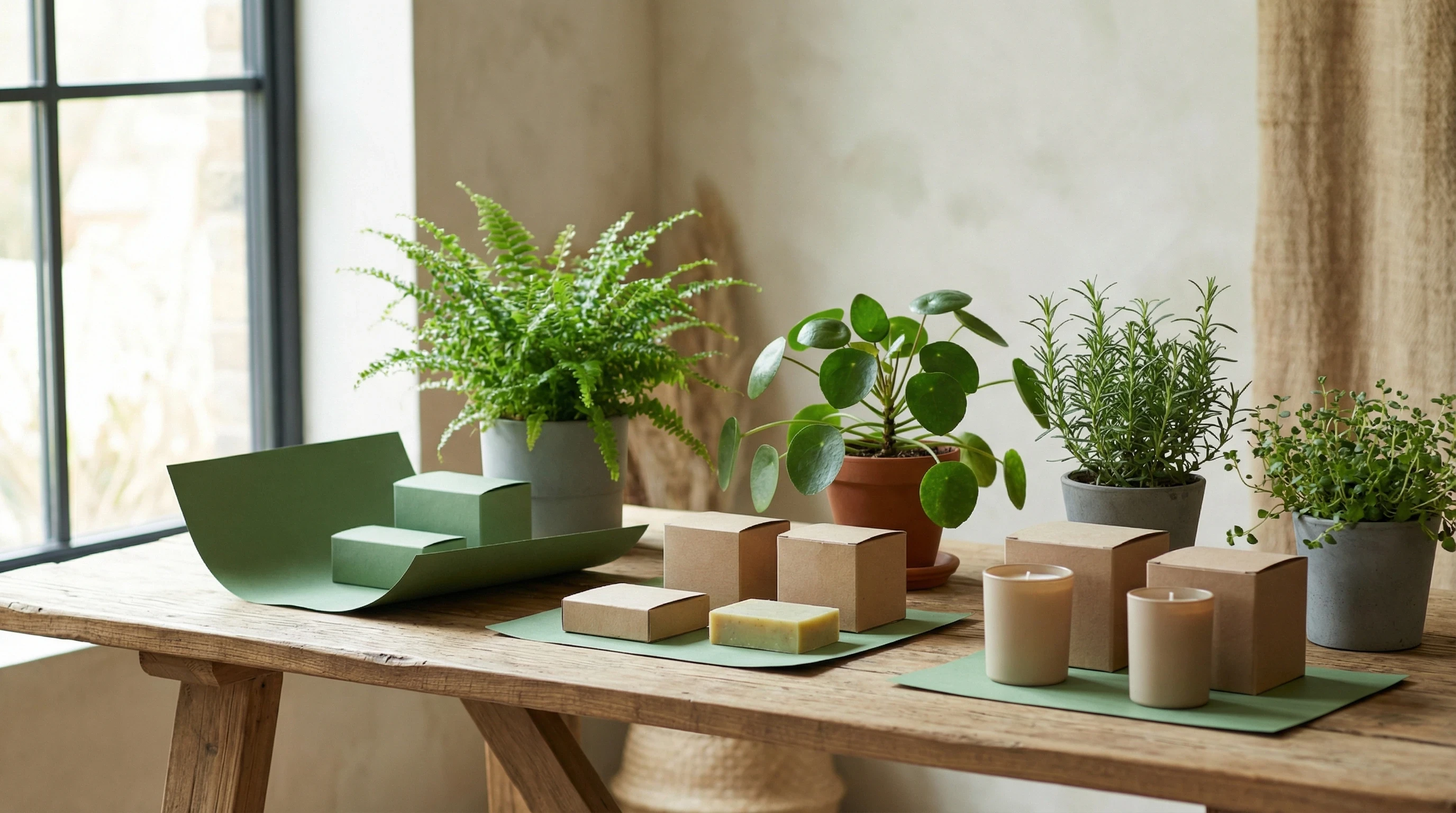
How Dropshipping Makes Building an Eco Friendly Store Easier
Dropshipping is a pretty handy way to get an online store off the ground with less upfront risk. Instead of stocking products, you list items from suppliers. When customers buy, the supplier ships directly to them. There’s no need for warehousing or bulk inventory, and that saves a lot of waste. I’ve found this model helps me focus on growing the business and making conscious product choices that reflect commitment to the environment.
Going the eco friendly route with dropshipping isn’t just about selling bamboo toothbrushes or reusable bags. It’s also about having responsible supply chains, reducing carbon footprints, and supporting brands that prioritize people and the planet. There’s flexibility to test products and pivot if certain eco friendly niches trend or slow down.
Getting Started: Choosing Your Eco Friendly Niche
Picking a niche is really important in any ecommerce business. With eco friendly dropshipping, it matters even more. Not every green product solves a real problem, and trends can change quickly. I started by thinking about products I actually use, like biodegradable cleaning supplies, reusable food containers, or zero waste toiletries. It’s a smart move to stick with something you care about. Customers can usually sense the difference between stores that are authentic and ones that just slap eco on everything.
Some niches you might want to check out:
- Zerowaste home essentials: Compostable sponges, beeswax wraps, bamboo cutlery, and bar soaps
- Ecoconscious apparel: Clothing from organic cotton or recycled fibres
- Reusable personal care products: Stainless steel razors, menstrual cups, shampoo bars
- Green pet products: Biodegradable poop bags and natural grooming care
- Sustainable office supplies: Refillable pens, recycled paper, desk organizers from upcycled materials
I’ve noticed that the most successful eco stores pick a focused lane rather than listing random green products everywhere. Focus helps you stand out.
Choosing Reliable Eco Friendly Suppliers
Suppliers can honestly make or break your eco friendly dropshipping store. It took me some time to find those that deliver quality, ship without unnecessary plastics, and have solid manufacturing practices. Some key things I look for include third party eco certifications (like FSC, Fair Trade, or B Corp), transparent sourcing, and clear details about packaging.
During my search, I found directories like GreenDropShip and platforms such as AliExpress’s Eco Friendly section and Oberlo to be helpful, but I always contact suppliers directly. I ask about their packing materials, supply chain, and whether they can provide environmental credentials. It’s totally okay to be picky here. Your store’s reputation depends on what your suppliers actually send out.
Setting Up Your Store: Key Steps
Getting your storefront up is far less intimidating than it looks these days. Most beginners use platforms like Shopify or WooCommerce because they mesh well with dropshipping plugins. If you’re totally new to website building or SEO, picking the right training can save you hours. I learned this one the hard way, which is why I used Wealthy Affiliate when I was just starting out. Their hands-on training made building my eco dropshipping store a breeze. Plus, I got personalized support and a wide variety of templates right out of the gate.
If you want to save yourself a ton of time and headaches, you’ll want to check out Wealthy Affiliate for step by step website building guides, proven SEO training, and a global community of ecommerce pros. I highly recommend starting with their free starter account at this link . It’s the same platform I used, and it’s designed for absolute beginners. You get instant access to the tools and courses I leaned on when I started my first eco friendly store.
Key setup steps:
- Domain and hosting: Claim a relevant, short, and memorable domain name with eco or green in it if possible
- Store design: Use a clean and easy to navigate template with earthy tones and nature imagery
- Dropshipping app/plugin: Connect to suppliers using tools like DSers, Oberlo, or a green supplier directory
- Policy pages: Add clear shipping, returns, privacy, and sustainability statements
- SEO optimization: Research keywords and write honest product descriptions; Wealthy Affiliate’s free tools really help with this
Marketing Your Eco Friendly Dropshipping Store
Reaching your first sales takes some patience and effort. What worked for me was being genuine in my messaging and showing real reviews and eco certifications on each product page. Social media, Pinterest, and Instagram were especially good for connecting with eco minded buyers. I also started a blog tied to my shop to talk about product benefits, DIY zero waste tips, and sustainability news, which helped bring in organic search traffic over time.
Email marketing works well too, especially with value first newsletters. Send tips, product education, and eco news instead of just sales pitches. People come back to stores they trust, and giving them good info keeps them around.
If you’re unsure how to crack all this (organic traffic, content, or email), the training and community support inside Wealthy Affiliate can make a huge difference. You can walk through everything step by step and ask for advice if you hit a roadblock.
Troubleshooting and Challenges in Eco Dropshipping
No business model is perfect, and dropshipping has its quirks. Eco friendly products aren’t always the cheapest, and some suppliers are slow or not as green as they claim. A few common hurdles I’ve faced (and how I handled them):
- Greenwashing: Some products look eco friendly but really aren’t. Always check for certifications and supplier transparency.
- Packing waste: Ask suppliers to go light on plastic. Some will adjust their packaging if you ask.
- Shipping times: Eco products are sometimes from overseas. Communicate realistic delivery windows and options for carbon neutral shipping.
- Returns: Handling returns can be trickier with dropshipping. Make your policy clear and offer digital refunds where possible for damaged or unsatisfactory products.
Staying honest and making quick, helpful customer service a priority goes a long way. Keep listening to buyer feedback and adjusting your store or suppliers over time.
Questions You Might Have (FAQs)
How do I make sure my products are truly eco friendly?
Look for global certifications (like Fair Trade, FSC, or Organic). Review supplier details, and read third party reviews. I always order samples first, too.
Can dropshipping be profitable with eco friendly products?
Definitely, especially with strong branding and honest marketing. Margins may be thinner than standard dropshipping, but buyers often pay extra for sustainable options.
What platform should I use as a beginner?
Shopify and WooCommerce (WordPress plug in) are both beginner friendly and integrate with dropshipping tools. If you want super detailed walkthroughs, check out Wealthy Affiliate for newbie friendly training.
Do I need a business license?
It depends on your country and state. Many places let you run a dropshipping store as a sole proprietor, but I always recommend checking your local laws first.
What if I can’t afford ads?
Organic marketing, like SEO blog posts, Pinterest pins, and Instagram reels, works great for eco businesses. I built up most of my early sales this way without a big ad spend.

Final Thoughts
Building an online eco friendly product store using the dropshipping model mixes social impact with business in a way that’s totally accessible, even for new entrepreneurs. It does take some work upfront, like finding the right niche, picking reliable suppliers, and learning to market genuinely. My biggest piece of advice?
Don’t do it all alone. Using a platform like Wealthy Affiliate for training and support was hugely valuable for me, and I’m sure it can help you move forward too. If you’re serious about growing a sustainable income and making a positive impact, it’s worth checking out before you get into building your eco dropshipping shop.
If you want to set your store up for lasting success, spend a little extra time on supplier research and building your brand story. Connecting with your customers through honest content and real transparency pays off.
You’ll find your audience grows more loyal, and your mission can reach a bigger crowd as you go. Good luck with building your eco friendly dropshipping store, and remember. Every step you take toward sustainability matters for you and the planet.
Many Thanks!
Many thanks for taking the time to read this article on Building An Online Eco Friendly Product Store With Dropshipping Model. I really hope that you have found it helpful. Why not take a look at one of my related articles which is titled The Importance Of Niche Selection.
If you are serious about starting an online business, take a good look at how Wealthy Affiliate can help you to start and grow for the long term. Just click the banner above to go to the homepage and have a look around. Or, you can read my full Wealthy Affiliate Review here.
If you have any questions at all or just want some help and advice, please leave me a message in the comments box below. I will always reply to every message.
All the best!
Eamon